
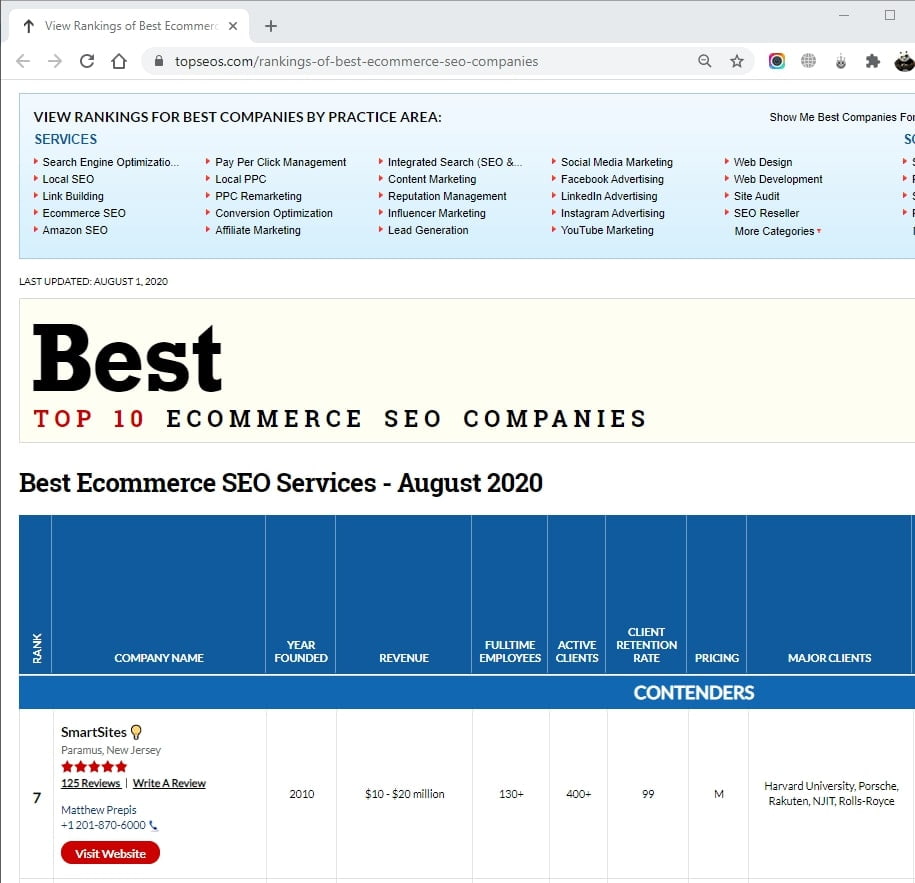
The Ultimate Guide to Best Ecommerce SEO Strategies
Search Engine Optimization (SEO) is crucial for any ecommerce business looking to increase online visibility, attract more organic traffic, and drive conversions. In the competitive world of ecommerce, implementing the best SEO practices can make a significant difference in your website’s performance and bottom line.
Optimize Your Product Pages
Start by optimizing your product pages with relevant keywords, high-quality images, detailed descriptions, and customer reviews. Ensure that each product page has a unique title tag and meta description to improve search engine rankings.
Improve Site Speed and Mobile Responsiveness
Site speed and mobile responsiveness are key ranking factors for search engines like Google. Optimize your ecommerce website for fast loading times and ensure that it provides a seamless user experience across all devices.
Create High-Quality Content
Content is king in the world of SEO. Create high-quality, engaging content such as blog posts, product guides, and videos that provide value to your audience. Use relevant keywords naturally within your content to improve search visibility.
Optimize for Local Search
If you have physical store locations or serve specific geographic areas, optimize your website for local search. Include local keywords in your content, create Google My Business listings, and encourage customer reviews to boost local SEO rankings.
Build Quality Backlinks
Backlinks from reputable websites can significantly impact your ecommerce site’s authority and search engine rankings. Focus on building quality backlinks through guest blogging, influencer partnerships, and collaborations with industry influencers.
Monitor Performance and Make Data-Driven Decisions
Regularly monitor your ecommerce site’s performance using tools like Google Analytics and Google Search Console. Analyze key metrics such as organic traffic, conversion rates, and keyword rankings to make data-driven decisions that optimize your SEO strategy.
Conclusion
Implementing the best ecommerce SEO strategies is essential for driving organic traffic, increasing visibility, and boosting sales for your online store. By following these tips and staying updated on the latest SEO trends, you can position your ecommerce business for long-term success in the digital landscape.
Top 6 SEO Tips to Boost Your Ecommerce Success
- Optimize product pages with relevant keywords
- Create unique and compelling product descriptions
- Improve website speed for better user experience
- Utilize backlinks from reputable websites
- Optimize images with descriptive filenames and alt text
- Regularly update content to keep it fresh and relevant
Optimize product pages with relevant keywords
Optimizing product pages with relevant keywords is a fundamental aspect of effective ecommerce SEO strategy. By strategically incorporating keywords that align with your products and target audience’s search queries, you can improve the visibility of your online store in search engine results. Ensuring that each product page is optimized with the right keywords not only helps search engines understand the content of your pages but also increases the likelihood of attracting qualified organic traffic that is more likely to convert into customers.
Create unique and compelling product descriptions
Creating unique and compelling product descriptions is a crucial aspect of implementing the best ecommerce SEO practices. By crafting detailed and engaging descriptions for each product, you not only provide valuable information to potential customers but also improve your website’s search engine rankings. Unique product descriptions help search engines understand the relevance of your products, making it easier for them to index and rank your pages. Additionally, compelling descriptions can enhance the overall user experience, leading to higher conversion rates and increased customer satisfaction.
Improve website speed for better user experience
Improving website speed is a crucial aspect of implementing the best ecommerce SEO practices. A fast-loading website not only enhances search engine rankings but also provides users with a better overall experience. In today’s fast-paced digital world, users expect websites to load quickly and seamlessly across all devices. By optimizing website speed, ecommerce businesses can reduce bounce rates, increase engagement, and ultimately drive more conversions. Prioritizing website speed not only benefits SEO efforts but also contributes to creating a positive user experience that fosters customer loyalty and satisfaction.
Utilize backlinks from reputable websites
Utilizing backlinks from reputable websites is a powerful strategy in best ecommerce SEO practices. These high-quality backlinks act as endorsements from authoritative sources, signaling to search engines the credibility and relevance of your ecommerce website. By securing backlinks from reputable sites within your industry, you can improve your site’s authority, increase organic traffic, and enhance your search engine rankings. This approach not only drives more visitors to your online store but also establishes trust with both search engines and potential customers, ultimately contributing to the success of your ecommerce business.
Optimize images with descriptive filenames and alt text
Optimizing images with descriptive filenames and alt text is a crucial aspect of best ecommerce SEO practices. By using relevant keywords in image filenames and providing clear alt text, you not only improve the accessibility of your website for visually impaired users but also enhance your site’s overall search engine optimization. Search engines rely on this information to understand the context of your images, which can lead to improved rankings and increased visibility in image search results. Additionally, descriptive filenames and alt text can help drive organic traffic to your ecommerce site by making it more discoverable to potential customers searching for products related to your images.
Regularly update content to keep it fresh and relevant
Regularly updating your ecommerce website’s content is a crucial aspect of maintaining a strong online presence and improving SEO performance. By keeping your content fresh and relevant, you not only provide value to your audience but also signal to search engines that your site is active and up-to-date. This can lead to higher search engine rankings, increased organic traffic, and better engagement with your target audience. Consistently refreshing your content with new information, product updates, and industry trends demonstrates your commitment to providing valuable resources for visitors and helps establish your website as a trusted source within your niche.