
The Essentials of On-Page and Off-Page SEO
Search Engine Optimization (SEO) is a crucial component of any digital marketing strategy, aiming to improve a website’s visibility and ranking on search engine results pages. There are two main categories of SEO that work hand in hand to enhance a site’s performance: On-Page SEO and Off-Page SEO.
On-Page SEO
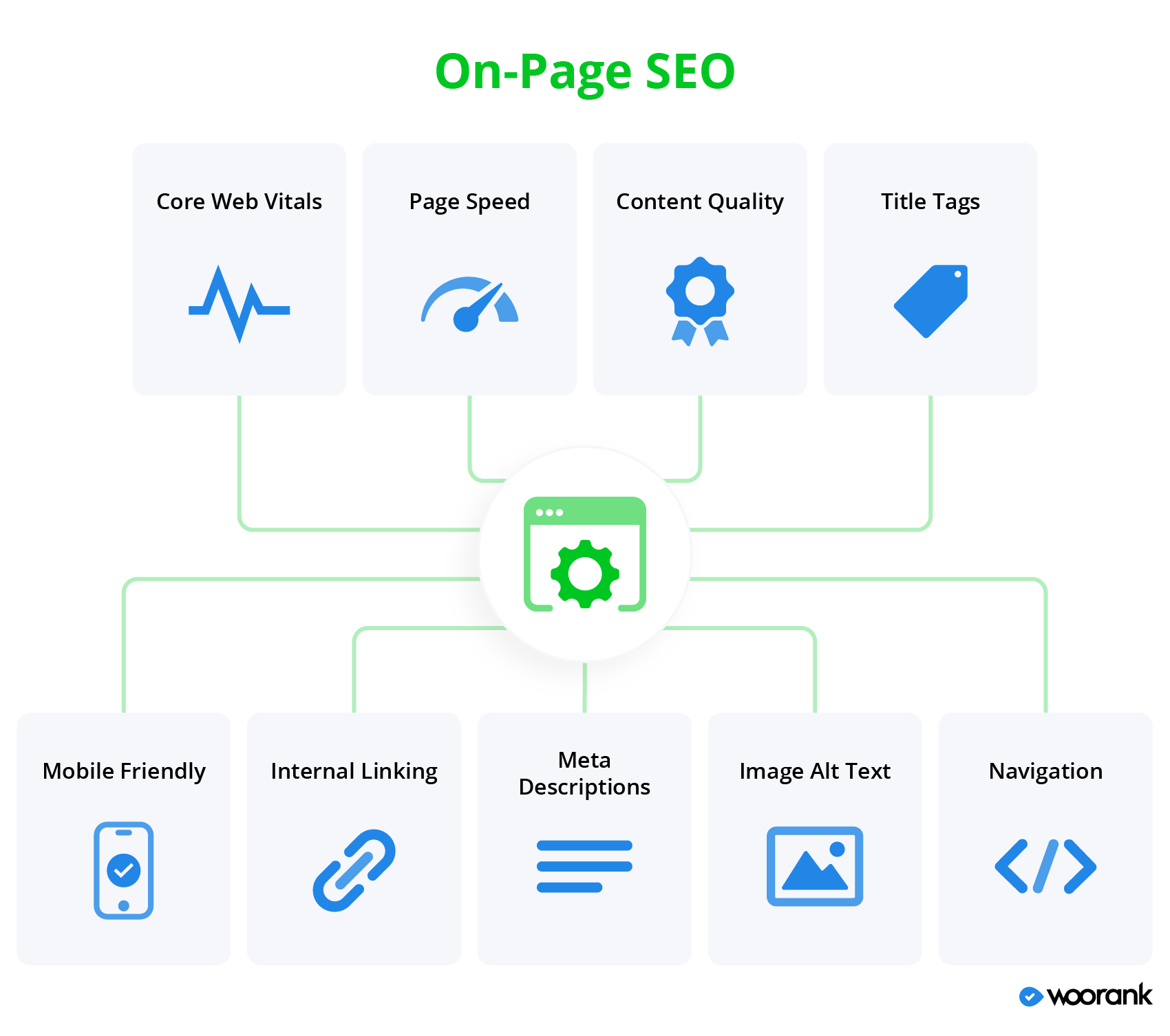
On-Page SEO refers to the optimization strategies implemented directly on the website itself to improve its search engine ranking. This includes factors such as:
- Keyword Optimization: Researching and strategically placing relevant keywords throughout the content, meta tags, and headers.
- Quality Content: Creating high-quality, engaging content that provides value to visitors and incorporates targeted keywords naturally.
- Title Tags and Meta Descriptions: Crafting compelling title tags and meta descriptions that accurately describe the page’s content.
- URL Structure: Ensuring URLs are concise, descriptive, and contain relevant keywords.
- Internal Linking: Creating a logical internal linking structure to help search engines navigate the site and understand its hierarchy.
Off-Page SEO
Off-Page SEO focuses on external factors that influence a website’s search engine ranking. These factors are not directly controlled by the website owner but can significantly impact its visibility. Key elements of Off-Page SEO include:
- Backlinks: Acquiring high-quality backlinks from reputable websites that point to your site, signaling authority and credibility to search engines.
- Social Signals: Engaging with users on social media platforms to increase brand awareness, drive traffic, and generate social signals that impact rankings.
- Online Reputation Management: Monitoring online reviews, mentions, and brand sentiment to build a positive online reputation that enhances trustworthiness in the eyes of search engines.
- Citation Building: Ensuring consistent business information across online directories to improve local search rankings for businesses with physical locations.
In conclusion, while On-Page SEO focuses on optimizing elements within the website itself, Off-Page SEO concentrates on external factors like backlinks and social signals. Both On-Page and Off-Page SEO are essential for achieving higher search engine rankings, driving organic traffic, and ultimately improving the overall online presence of a website.
7 Essential SEO Tips for Boosting Your On-Page and Off-Page Performance
- Create high-quality, valuable content for users and search engines
- Optimize images with descriptive filenames and alt text
- Use internal linking to connect related content within your website
- Regularly update and maintain your website’s content for freshness
- Build quality backlinks from reputable websites in your industry/niche
- Guest post on relevant blogs to reach new audiences and build authority
- Monitor and manage online reviews to maintain a positive reputation
Create high-quality, valuable content for users and search engines
Creating high-quality, valuable content for both users and search engines is a fundamental tip for effective On-Page and Off-Page SEO strategies. By producing content that is informative, engaging, and relevant to your target audience, you not only enhance user experience but also increase the likelihood of search engines recognizing your website as a credible source of information. Quality content that incorporates targeted keywords naturally can improve your site’s visibility in search results and attract organic traffic. Remember, the key is to prioritize creating content that adds value to users while aligning with SEO best practices to achieve optimal results in both on-page and off-page optimization efforts.
Optimize images with descriptive filenames and alt text
Optimizing images with descriptive filenames and alt text is a crucial aspect of both On-Page and Off-Page SEO strategies. By using relevant keywords in image filenames and alt text, you not only improve the accessibility of your website for visually impaired users but also provide search engines with valuable context about the content of the image. This practice enhances the overall relevance of your website’s content, potentially boosting its visibility in search engine results pages and driving organic traffic to your site.
Use internal linking to connect related content within your website
Utilizing internal linking is a valuable strategy in SEO to establish connections between related content within your website. By strategically linking relevant pages together, you not only enhance the user experience by guiding visitors to additional valuable information but also help search engines understand the structure and hierarchy of your site. Internal linking can improve the discoverability of content, distribute link equity throughout your site, and ultimately contribute to boosting your overall SEO performance.
Regularly update and maintain your website’s content for freshness
Regularly updating and maintaining your website’s content is a crucial tip for enhancing both On-Page and Off-Page SEO. Fresh, relevant content not only engages visitors but also signals to search engines that your site is active and authoritative. By consistently adding new information, optimizing existing content, and refreshing outdated material, you can improve your site’s visibility, attract more organic traffic, and increase the likelihood of earning valuable backlinks from other reputable sites. Keeping your website content up-to-date demonstrates your commitment to providing value to users and staying ahead in the competitive online landscape.
Build quality backlinks from reputable websites in your industry/niche
Building quality backlinks from reputable websites within your industry or niche is a crucial aspect of both On-Page and Off-Page SEO strategies. These backlinks serve as a vote of confidence from authoritative sources, signaling to search engines the credibility and relevance of your website. By establishing strong connections with reputable sites in your niche, you not only enhance your site’s authority but also drive targeted traffic to your pages. This proactive approach to link building can significantly boost your search engine rankings and solidify your position as a trusted resource within your industry.
Guest post on relevant blogs to reach new audiences and build authority
One effective tip for enhancing both On-Page and Off-Page SEO strategies is to guest post on relevant blogs within your industry. By contributing valuable content to these blogs, you not only reach new audiences but also establish your authority and expertise in the field. This approach not only helps drive traffic back to your website through backlinks but also increases brand awareness and credibility, ultimately boosting your search engine rankings.
Monitor and manage online reviews to maintain a positive reputation
Monitoring and managing online reviews is a crucial aspect of both On-Page and Off-Page SEO strategies. Maintaining a positive reputation through proactive review management not only enhances credibility and trustworthiness but also influences search engine rankings. By promptly addressing feedback, whether positive or negative, businesses can demonstrate their commitment to customer satisfaction and improve their online visibility. Consistent monitoring of online reviews across various platforms allows companies to stay informed about customer sentiments, address any issues promptly, and ultimately bolster their online reputation for long-term success.