
Understanding the Importance of Conversion Rate Optimization (CRO) in SEO
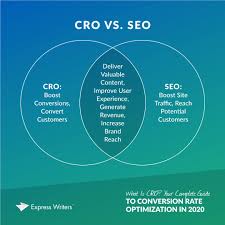
Conversion Rate Optimization (CRO) is a crucial aspect of Search Engine Optimization (SEO) that focuses on improving the percentage of website visitors who take a desired action, such as making a purchase or filling out a contact form. While SEO aims to drive traffic to your website, CRO ensures that this traffic translates into tangible results for your business.
Why CRO Matters in SEO
Optimizing your website for search engines is essential for attracting organic traffic. However, if visitors land on your site but fail to convert into customers or leads, your SEO efforts may not be yielding the desired outcomes. This is where CRO comes into play.
By implementing CRO strategies, you can enhance the user experience on your website, making it more engaging and user-friendly. This, in turn, can lead to higher conversion rates and ultimately boost your bottom line. CRO helps you make the most out of the traffic you receive through SEO by optimizing various elements on your site to encourage visitors to take action.
Key CRO Techniques for Better SEO Performance
There are several key techniques that can help improve conversion rates and enhance the overall effectiveness of your SEO efforts:
- A/B Testing: By testing different versions of web pages or elements such as headlines, call-to-action buttons, and images, you can determine which variations perform best in terms of conversions.
- User Experience (UX) Optimization: Ensuring that your website is easy to navigate, loads quickly, and provides valuable content can significantly impact user engagement and conversion rates.
- Mobile Optimization: With an increasing number of users accessing websites via mobile devices, optimizing your site for mobile responsiveness is crucial for both CRO and SEO success.
- Conversion Funnel Analysis: Understanding how users move through the conversion process on your site can help identify potential bottlenecks and areas for improvement.
The Bottom Line
CRO plays a vital role in maximizing the return on investment from your SEO efforts. By focusing on converting website visitors into customers or leads, you can ensure that your online presence drives real business results. Incorporating CRO techniques into your SEO strategy can lead to improved performance, increased revenue, and long-term success for your business.
Top 5 FAQs About Conversion Rate Optimization in SEO
- What is Conversion Rate Optimization (CRO) in the context of SEO?
- Why is CRO important for SEO?
- What are some key techniques for implementing CRO in SEO strategies?
- How does A/B testing contribute to CRO in SEO?
- What impact does mobile optimization have on CRO and SEO performance?
What is Conversion Rate Optimization (CRO) in the context of SEO?
Conversion Rate Optimization (CRO) in the context of SEO refers to the strategic process of enhancing a website’s ability to convert visitors into customers or leads. While SEO focuses on driving traffic to a site, CRO ensures that this traffic is effectively engaged and motivated to take desired actions, such as making a purchase or submitting a form. By optimizing various elements on a website, such as layout, content, and calls-to-action, CRO aims to improve the overall user experience and increase the likelihood of conversions. Ultimately, CRO complements SEO efforts by maximizing the impact of incoming traffic and translating it into measurable outcomes that benefit the business.
Why is CRO important for SEO?
Understanding the importance of Conversion Rate Optimization (CRO) for Search Engine Optimization (SEO) is essential for maximizing the effectiveness of your online presence. CRO plays a crucial role in ensuring that the traffic generated through SEO efforts translates into tangible results for your business. By focusing on improving the percentage of website visitors who take desired actions, such as making a purchase or filling out a form, CRO enhances user engagement and conversion rates. Ultimately, integrating CRO strategies into your SEO approach can lead to higher conversion rates, increased revenue, and a more successful online marketing strategy overall.
What are some key techniques for implementing CRO in SEO strategies?
When it comes to implementing Conversion Rate Optimization (CRO) in SEO strategies, there are several key techniques that can significantly impact the effectiveness of your online presence. A few essential techniques include conducting A/B testing to determine the most effective website elements, optimizing user experience (UX) to enhance engagement and conversions, ensuring mobile responsiveness for a seamless browsing experience on all devices, and analyzing the conversion funnel to identify and address any potential barriers to conversion. By incorporating these techniques into your SEO strategy, you can maximize the impact of your efforts and drive tangible results for your business.
How does A/B testing contribute to CRO in SEO?
A/B testing plays a significant role in Conversion Rate Optimization (CRO) within the realm of Search Engine Optimization (SEO) by providing valuable insights into user behavior and preferences. By comparing two or more variations of a web page element, such as a headline, call-to-action button, or layout, marketers can determine which version performs better in terms of driving conversions. This data-driven approach allows for informed decision-making to optimize website elements for higher conversion rates. Through A/B testing, businesses can refine their SEO strategies by identifying and implementing changes that resonate with their target audience, ultimately leading to improved user engagement and increased conversion rates.
What impact does mobile optimization have on CRO and SEO performance?
Mobile optimization plays a crucial role in enhancing both Conversion Rate Optimization (CRO) and Search Engine Optimization (SEO) performance. With the increasing number of users accessing websites on mobile devices, ensuring that your site is optimized for mobile responsiveness is essential. Mobile-friendly websites not only provide a better user experience, leading to higher engagement and conversions but also contribute positively to SEO rankings. Search engines like Google prioritize mobile-friendly websites in their search results, making mobile optimization a key factor in improving visibility and attracting organic traffic. By focusing on mobile optimization, businesses can effectively boost their CRO efforts by catering to the needs and preferences of mobile users, ultimately driving better conversion rates and overall SEO performance.