
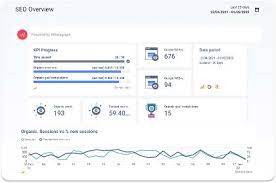
The Power of SEO Web Analytics
In the digital age, having a strong online presence is crucial for the success of any business. Search Engine Optimization (SEO) plays a significant role in driving organic traffic to your website. However, simply implementing SEO strategies is not enough; you need to track and analyze the performance of your efforts through web analytics.
Understanding SEO Web Analytics
SEO web analytics involves monitoring and measuring the impact of your SEO initiatives on your website’s performance. By utilizing web analytics tools such as Google Analytics, you can gather valuable insights into how users interact with your site, which keywords are driving traffic, and which pages are performing well.
The Benefits of SEO Web Analytics
Data-Driven Decisions: By analyzing data from web analytics, you can make informed decisions about your SEO strategy. Understanding what is working and what needs improvement allows you to optimize your efforts for better results.
Improved User Experience: Web analytics can provide insights into user behavior, allowing you to enhance the user experience on your website. By identifying areas where visitors may be dropping off or encountering issues, you can make necessary adjustments to improve engagement and conversion rates.
ROI Tracking: Tracking the performance of your SEO campaigns through web analytics enables you to measure the return on investment (ROI) of your marketing efforts. You can see which tactics are generating leads and conversions, helping you allocate resources more effectively.
Key Metrics to Track
When monitoring SEO web analytics, some key metrics to focus on include:
- Traffic sources
- Keyword rankings
- Bounce rate
- Page views
- Conversion rate
- Click-through rate (CTR)
Conclusion
SEO web analytics is essential for optimizing your online presence and driving meaningful results for your business. By leveraging data-driven insights from web analytics tools, you can refine your SEO strategy, enhance user experience, and maximize the impact of your marketing efforts.
8 Essential SEO Web Analytics Tips to Boost Your Website’s Performance
- Track website traffic regularly to monitor performance.
- Use tools like Google Analytics to analyze visitor behavior.
- Optimize keywords based on search trends and user intent.
- Monitor click-through rates (CTR) for different pages and keywords.
- Set up goals and conversion tracking to measure website success.
- Analyze bounce rates to improve content engagement.
- Check for crawl errors and optimize website structure for search engines.
- Stay updated on SEO best practices and algorithm changes.
Track website traffic regularly to monitor performance.
Tracking website traffic regularly is a fundamental tip in SEO web analytics to monitor performance effectively. By consistently monitoring your website’s traffic, you can gain valuable insights into how users are interacting with your site, which pages are attracting the most visitors, and where improvements may be needed. This data allows you to make informed decisions about your SEO strategy, identify trends, and measure the impact of your efforts over time. Regular tracking of website traffic empowers you to optimize your online presence for better visibility and engagement.
Use tools like Google Analytics to analyze visitor behavior.
Utilizing tools like Google Analytics is crucial for delving into visitor behavior on your website. By leveraging such analytics tools, you can gain valuable insights into how users interact with your site, including which pages they visit most, how long they stay on each page, and what actions they take before leaving. This data allows you to make informed decisions about your SEO strategy, optimize user experience, and ultimately drive better results for your online presence.
Optimize keywords based on search trends and user intent.
To enhance the effectiveness of your SEO strategy, it is essential to optimize keywords in alignment with current search trends and user intent. By staying informed about popular search queries and understanding what users are looking for, you can tailor your keyword selection to better match their needs. This approach not only improves your website’s visibility in search engine results but also ensures that the content you provide resonates with your target audience, ultimately driving more relevant traffic to your site.
Monitor click-through rates (CTR) for different pages and keywords.
Monitoring click-through rates (CTR) for various pages and keywords is a crucial aspect of SEO web analytics. By tracking CTR, you can gain valuable insights into how effectively your content and keywords are attracting user engagement. Analyzing CTR data allows you to identify high-performing pages and keywords that drive traffic to your site, as well as areas that may require optimization. This information empowers you to make informed decisions to improve your SEO strategy, enhance user experience, and ultimately boost your website’s visibility and performance in search engine results.
Set up goals and conversion tracking to measure website success.
Setting up goals and conversion tracking is a crucial tip in SEO web analytics to measure website success effectively. By defining specific goals, such as newsletter sign-ups, product purchases, or contact form submissions, and implementing conversion tracking tools like Google Analytics, businesses can track and analyze user interactions that lead to desired outcomes. This data provides valuable insights into the effectiveness of SEO strategies, helping businesses make informed decisions to optimize their online presence and drive meaningful results.
Analyze bounce rates to improve content engagement.
Analyzing bounce rates is a valuable tip in SEO web analytics as it provides insights into content engagement on your website. A high bounce rate indicates that visitors are leaving your site after viewing only one page, suggesting that the content may not be resonating with them. By examining bounce rates for different pages, you can identify areas for improvement and tailor your content to better engage users. This data-driven approach allows you to optimize your content strategy, enhance user experience, and ultimately increase the effectiveness of your SEO efforts.
Check for crawl errors and optimize website structure for search engines.
To enhance your SEO performance through web analytics, it is crucial to regularly check for crawl errors and optimize your website structure for search engines. Crawl errors can hinder search engine bots from properly indexing your site, leading to decreased visibility in search results. By identifying and fixing these errors, such as broken links or inaccessible pages, you can ensure that search engines can effectively crawl and index your content. Additionally, optimizing your website structure by organizing content logically, using clear navigation, and implementing relevant keywords can further improve your site’s search engine rankings and overall user experience.
Stay updated on SEO best practices and algorithm changes.
To effectively leverage SEO web analytics, it is crucial to stay updated on SEO best practices and algorithm changes. Search engine algorithms are constantly evolving, and what works today may not be as effective tomorrow. By keeping abreast of the latest trends and updates in the SEO landscape, you can adapt your strategies accordingly to ensure optimal performance and visibility for your website. Regularly monitoring industry developments allows you to stay ahead of the curve and make informed decisions that align with current best practices, ultimately boosting your online presence and driving organic traffic.