
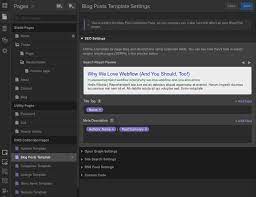
The Power of Webflow SEO
Webflow is a popular website builder that offers not only a user-friendly design interface but also robust SEO capabilities. In today’s digital landscape, having a visually appealing website is important, but ensuring that it can be easily found on search engines is equally crucial.
With Webflow’s SEO features, users can optimize their websites for search engines without the need for extensive coding knowledge. From customizable meta tags and descriptions to clean URL structures and image alt text optimization, Webflow provides the tools necessary to improve your site’s search engine visibility.
One standout feature of Webflow is its ability to create dynamic and responsive websites that are also SEO-friendly. This means that your site will not only look great on any device but will also rank well in search engine results pages (SERPs).
Additionally, Webflow allows users to easily integrate Google Analytics and other tracking tools to monitor website traffic and performance. By analyzing this data, users can make informed decisions to further optimize their sites for better search engine rankings.
Whether you’re a small business owner looking to improve your online presence or a web designer seeking a platform that prioritizes both design and SEO, Webflow offers a comprehensive solution. With its intuitive interface and powerful SEO features, Webflow empowers users to create visually stunning websites that drive organic traffic and ultimately lead to business growth.
5 Essential Webflow SEO Tips for Boosting Your Website’s Visibility
- Optimize your website’s metadata including titles, descriptions, and keywords for better search engine visibility.
- Create SEO-friendly URLs that are descriptive and include relevant keywords.
- Utilize heading tags (H1, H2, etc.) to structure your content and improve readability for both users and search engines.
- Optimize images by using descriptive filenames and alt text to help search engines understand the content of the images.
- Regularly update your website with fresh content to keep it relevant and engaging for both visitors and search engines.
Optimize your website’s metadata including titles, descriptions, and keywords for better search engine visibility.
To enhance your website’s search engine visibility on Webflow, it is crucial to optimize your metadata, which includes titles, descriptions, and keywords. Crafting compelling and relevant meta titles and descriptions can significantly impact how your site appears in search results, enticing users to click through. Additionally, strategically incorporating targeted keywords into your metadata can improve your site’s relevance to search queries, ultimately boosting its ranking on search engine results pages. By paying attention to these details and fine-tuning your website’s metadata, you can enhance its discoverability and attract more organic traffic.
Create SEO-friendly URLs that are descriptive and include relevant keywords.
When optimizing your website in Webflow for better search engine visibility, one effective tip is to create SEO-friendly URLs that are descriptive and incorporate relevant keywords. By crafting URLs that clearly indicate the content of the page and include targeted keywords, you not only make it easier for search engines to understand your content but also improve the user experience. Concise and keyword-rich URLs can help boost your site’s rankings in search results and drive more organic traffic to your web pages. Remember, a well-structured URL is not only beneficial for SEO but also contributes to a more user-friendly browsing experience.
Utilize heading tags (H1, H2, etc.) to structure your content and improve readability for both users and search engines.
When optimizing your website for SEO on Webflow, remember to utilize heading tags (H1, H2, etc.) effectively to structure your content. By using heading tags appropriately, you not only enhance the readability of your content for visitors but also provide search engines with clear signals about the hierarchy and relevance of your information. This practice can improve both user experience and search engine rankings, making it easier for both humans and algorithms to understand and navigate your website effectively.
Optimize images by using descriptive filenames and alt text to help search engines understand the content of the images.
Optimizing images is a crucial aspect of Webflow SEO strategy. By using descriptive filenames and alt text, you provide valuable context to search engines about the content of the images on your website. This not only improves accessibility for visually impaired users but also helps search engines better understand the relevance of your images to the overall content of your site. Incorporating descriptive keywords in image filenames and alt text can significantly enhance your website’s visibility in search engine results, ultimately driving more organic traffic to your site.
Regularly update your website with fresh content to keep it relevant and engaging for both visitors and search engines.
Regularly updating your website with fresh content is a crucial aspect of Webflow SEO. By consistently adding new and relevant content, you not only keep your site engaging for visitors but also signal to search engines that your website is active and valuable. Fresh content can attract more traffic, encourage return visits, and improve your site’s ranking in search results. Whether it’s blog posts, product updates, or news articles, maintaining a steady stream of new content demonstrates your commitment to providing up-to-date information and enhances the overall user experience on your Webflow site.