
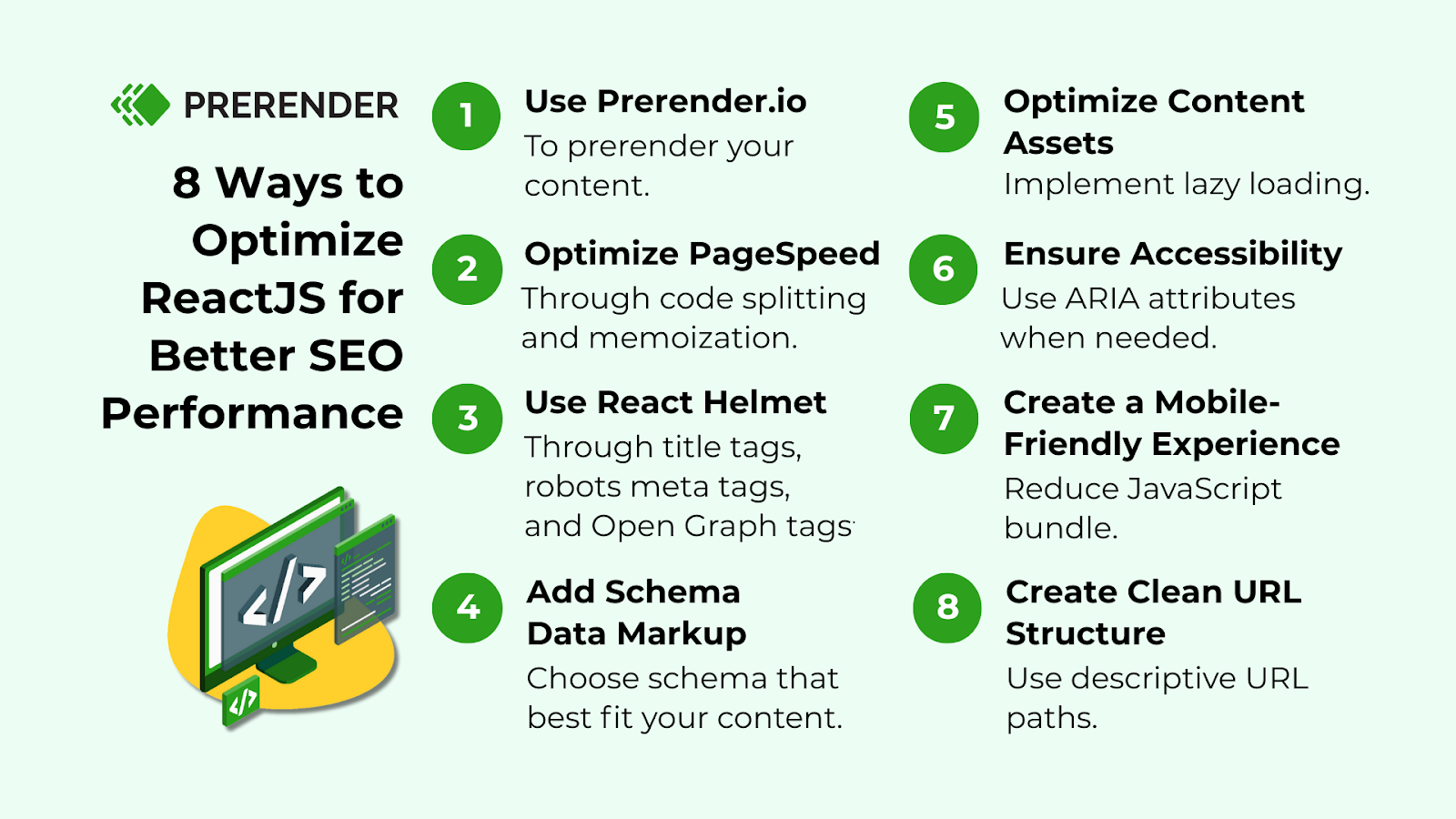
The Importance of React SEO for Your Website
React is a popular JavaScript library for building user interfaces, commonly used for creating dynamic and interactive web applications. While React offers many benefits in terms of user experience and development efficiency, it also presents challenges when it comes to search engine optimization (SEO).
SEO is crucial for ensuring that your website ranks well on search engine results pages (SERPs) and drives organic traffic to your site. However, traditional SEO techniques may not work as effectively with React-based websites due to their dynamic nature.
Challenges of SEO with React
One of the main challenges of implementing SEO on a React website is that search engine crawlers have difficulty interpreting JavaScript-heavy content. Since React applications often rely on client-side rendering, the initial HTML content served to crawlers may not contain all the necessary information for indexing.
Additionally, dynamic routing and lazy loading common in React applications can further complicate SEO efforts. Search engines may struggle to navigate through the site structure and understand the relationship between different pages.
Strategies for React SEO
Despite these challenges, there are several strategies you can implement to improve the SEO performance of your React website:
- Server-Side Rendering (SSR): Implementing SSR allows you to pre-render your React components on the server before sending them to the client. This ensures that search engines receive fully rendered HTML content, improving crawlability and indexing.
- Optimize Metadata: Pay close attention to meta tags such as title tags, meta descriptions, and canonical URLs. Ensure that these elements are properly populated and reflect the content of each page.
- Crawlable Navigation: Make sure that internal links are easily accessible to search engine crawlers. Use traditional anchor tags instead of relying solely on JavaScript-based navigation.
- Sitemap Submission: Submit a sitemap of your website to search engines like Google to help them discover and index all relevant pages efficiently.
- Monitor Performance: Regularly monitor your website’s performance in search results using tools like Google Search Console. Address any indexing or crawling issues promptly.
Conclusion
Incorporating effective SEO strategies into your React website is essential for maximizing its visibility and reach online. By understanding the unique challenges posed by React development and implementing best practices tailored to address them, you can ensure that your website ranks well in search engine results and attracts valuable organic traffic.
Top 7 FAQs on Optimizing SEO for React Websites
- What is React SEO and why is it important?
- How does React affect SEO performance?
- What are the challenges of implementing SEO on a React website?
- What are some strategies for optimizing SEO on a React-based site?
- Is server-side rendering necessary for improving SEO on a React website?
- How can metadata be optimized for better SEO results in React applications?
- What tools or techniques can help monitor and improve the SEO performance of a React website?
What is React SEO and why is it important?
React SEO refers to the practice of optimizing websites built with the React JavaScript library for search engine visibility. It is crucial because traditional SEO techniques may not fully cater to the dynamic nature of React applications. React SEO involves strategies such as server-side rendering, optimizing metadata, ensuring crawlable navigation, submitting sitemaps, and monitoring performance. By implementing React SEO best practices, website owners can enhance their site’s search engine rankings, improve crawlability and indexing, and ultimately drive organic traffic to their web pages.
How does React affect SEO performance?
React can significantly impact SEO performance due to its dynamic nature and client-side rendering. One of the main challenges lies in how search engine crawlers interpret JavaScript-heavy content, as React applications often rely on client-side rendering, which may not provide all necessary information for indexing. This can result in incomplete or delayed indexing of website content, potentially affecting its visibility on search engine results pages. Implementing strategies like server-side rendering, optimizing metadata, ensuring crawlable navigation, submitting sitemaps, and monitoring performance are crucial for mitigating the negative effects of React on SEO and improving overall search engine rankings.
What are the challenges of implementing SEO on a React website?
Implementing SEO on a React website poses several challenges due to its dynamic nature and reliance on client-side rendering. One of the main obstacles is that search engine crawlers often struggle to interpret JavaScript-heavy content, leading to potential indexing issues. Additionally, features like dynamic routing and lazy loading can complicate the crawling process, making it harder for search engines to understand the site structure and effectively index all relevant pages. Overcoming these challenges requires implementing strategies such as server-side rendering, optimizing metadata, ensuring crawlable navigation, submitting sitemaps, and closely monitoring performance to address any SEO impediments effectively.
What are some strategies for optimizing SEO on a React-based site?
When it comes to optimizing SEO on a React-based site, several strategies can be employed to enhance visibility and search engine rankings. Implementing server-side rendering (SSR) is a key tactic as it ensures that search engines receive fully rendered HTML content for improved crawlability. Paying attention to metadata elements such as title tags, meta descriptions, and canonical URLs helps search engines understand the relevance of each page. Creating crawlable navigation by using traditional anchor tags and submitting a sitemap to search engines are also effective strategies. Regularly monitoring the site’s performance in search results through tools like Google Search Console allows for timely identification and resolution of any SEO issues. By combining these strategies tailored to the unique challenges of React development, website owners can optimize SEO effectively and attract organic traffic to their site.
Is server-side rendering necessary for improving SEO on a React website?
When considering the impact of SEO on a React website, the question of whether server-side rendering is necessary often arises. Server-side rendering plays a crucial role in enhancing SEO for React websites by providing search engines with pre-rendered HTML content that is easily crawlable and indexable. While client-side rendering can pose challenges for search engine crawlers to interpret JavaScript-heavy content, implementing server-side rendering can significantly improve the website’s visibility on search engine results pages. By ensuring that search engines receive fully rendered HTML content, server-side rendering enhances crawlability and indexing, ultimately contributing to improved SEO performance for React websites.
How can metadata be optimized for better SEO results in React applications?
Optimizing metadata is crucial for improving SEO results in React applications. To enhance visibility and relevance on search engine results pages, it is essential to focus on key elements such as title tags, meta descriptions, and canonical URLs. In React applications, ensuring that these metadata elements are accurately populated and reflect the content of each page is vital. By crafting compelling and concise metadata that aligns with the page’s topic and keywords, you can increase the likelihood of search engines properly indexing and ranking your website. Paying attention to metadata optimization can significantly impact the discoverability and click-through rates of your React application in search results.
What tools or techniques can help monitor and improve the SEO performance of a React website?
Monitoring and enhancing the SEO performance of a React website requires leveraging specific tools and techniques tailored to address the challenges posed by dynamic JavaScript-based content. Tools like Google Search Console, SEMrush, and Screaming Frog can provide valuable insights into indexing status, keyword performance, and technical SEO issues. Implementing server-side rendering (SSR) to ensure search engine crawlers receive fully rendered HTML content is a crucial technique for improving crawlability. Optimizing metadata, monitoring site speed, and regularly auditing internal links are additional strategies that can help enhance the SEO performance of a React website effectively.