
The Impact of “Not Provided” on SEO Strategies
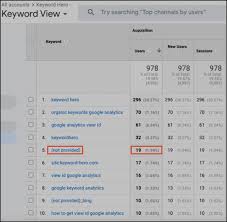
In the realm of Search Engine Optimization (SEO), the term “not provided” has become a familiar and often frustrating obstacle for digital marketers and website owners. This phenomenon refers to the lack of keyword data provided by Google Analytics for organic search queries, making it challenging to track and analyze user search behavior effectively.
Understanding the Issue
Historically, website owners could access valuable keyword data in Google Analytics to understand how users found their site through organic search. This information was crucial for optimizing content, refining marketing strategies, and improving overall website performance. However, with the advent of secure search and privacy concerns, Google made a significant change by encrypting organic search queries, leading to the rise of “not provided.”
The Challenges Faced
The impact of “not provided” extends beyond just missing keyword data. It hinders marketers’ ability to attribute specific keywords to user behavior, track conversion paths effectively, and measure the success of SEO efforts accurately. Without this essential information, crafting targeted content and optimizing websites for relevant keywords becomes increasingly challenging.
Adapting SEO Strategies
To navigate the landscape shaped by “not provided,” digital marketers have had to adapt their SEO strategies accordingly. Instead of solely relying on keyword data, they now focus on creating high-quality, user-focused content that resonates with their target audience. Emphasizing user experience, understanding search intent, and leveraging long-tail keywords have become vital components of modern SEO practices.
The Role of Data Analysis
While the absence of keyword data presents challenges, it also underscores the importance of comprehensive data analysis in SEO. Marketers now rely on alternative metrics such as click-through rates, bounce rates, and conversion data to gauge the performance of their campaigns. By interpreting these metrics alongside other qualitative insights, they can still make informed decisions to optimize their websites effectively.
Looking Ahead
As digital marketing continues to evolve, addressing the impact of “not provided” remains a priority for SEO professionals. By staying adaptable, focusing on user-centric strategies, and leveraging available data insights creatively, marketers can overcome this challenge and drive sustainable growth in an increasingly competitive online environment.
Understanding “Not Provided” in SEO: Common Questions Answered
- What does “not provided” mean?
- What is the meaning of not provided?
- What does not provided mean?
- What is not provided in SEO?
- What is not provided in Google Analytics?
- What does not provided mean SEO?
- How do I find not provided keywords?
- What are the 4 types of SEO?
What does “not provided” mean?
In the context of SEO, “not provided” refers to the absence of specific keyword data in Google Analytics for organic search queries. This term became prevalent when Google implemented secure search, encrypting organic search queries to protect user privacy. As a result, website owners and digital marketers encounter challenges in accessing detailed information about the keywords that users use to discover their websites through search engines. The “not provided” label signifies that this keyword data is unavailable, making it difficult to track and analyze user search behavior accurately for SEO optimization purposes.
What is the meaning of not provided?
The term “not provided” in the context of SEO refers to a situation where Google Analytics does not disclose specific keyword data associated with organic search queries. This lack of visibility into the exact search terms that users use to reach a website poses a significant challenge for digital marketers and website owners. The shift towards encrypted search queries by Google, driven by privacy concerns, has led to the prevalence of “not provided,” making it difficult to track and analyze user search behavior effectively. As a result, marketers have had to adapt their SEO strategies by focusing on user intent, content quality, and alternative metrics to optimize their websites in the absence of traditional keyword data.
What does not provided mean?
“Not provided” in the context of SEO refers to a situation where Google Analytics does not provide specific keyword data for organic search queries. This limitation arises from Google’s decision to encrypt organic search queries for privacy reasons, leading to the absence of detailed keyword information in analytics reports. As a result, website owners and digital marketers face challenges in tracking user search behavior and optimizing their content effectively based on keyword insights. Adapting strategies to focus on user experience, search intent, and alternative metrics has become essential in navigating the impact of “not provided” on SEO efforts.
What is not provided in SEO?
In the realm of SEO, “not provided” refers to the absence of specific keyword data in organic search traffic reports, particularly in Google Analytics. This term has become a common frustration for digital marketers as it signifies that search queries made by users are encrypted and not directly accessible. Without this valuable keyword information, SEO professionals face challenges in understanding user search behavior, tracking the effectiveness of their optimization efforts, and tailoring content to align with relevant keywords. Adapting strategies to cope with the limitations posed by “not provided” has become essential for modern SEO practices, emphasizing user-focused content creation and leveraging alternative metrics to gauge performance effectively.
What is not provided in Google Analytics?
In Google Analytics, “not provided” refers to the absence of specific keyword data for organic search queries. This term became prevalent when Google started encrypting organic search queries to enhance user privacy and security. As a result, website owners and digital marketers no longer have access to the individual keywords that led users to their site through organic search. This lack of keyword data poses a significant challenge for SEO professionals as it hinders their ability to track and analyze user search behavior effectively, impacting the optimization of content and overall SEO strategies.
What does not provided mean SEO?
In the realm of SEO, the term “not provided” refers to a situation where Google Analytics does not provide specific keyword data for organic search queries. This lack of visibility into the exact keywords users are using to find a website poses a challenge for digital marketers and website owners seeking to optimize their content and understand user behavior accurately. The impact of “not provided” underscores the importance of adapting SEO strategies to focus on user-centric content, search intent, and alternative metrics for performance evaluation in the absence of traditional keyword data.
How do I find not provided keywords?
When faced with the common query of “How do I find not provided keywords?” in the realm of SEO, digital marketers encounter a challenge stemming from the encryption of organic search queries by Google. While traditional methods of accessing keyword data may no longer be viable due to the prevalence of “not provided,” alternative strategies can still provide valuable insights. Marketers can explore solutions such as leveraging Google Search Console data, analyzing landing pages for keyword patterns, utilizing third-party tools for keyword research, and focusing on user intent to optimize content effectively. By adapting to this shift in data availability and employing innovative approaches, marketers can navigate the limitations posed by “not provided” and continue refining their SEO strategies for improved online visibility and performance.
What are the 4 types of SEO?
When exploring the realm of Search Engine Optimization (SEO), one frequently asked question revolves around the classification of SEO into different types. Broadly speaking, there are four main categories of SEO: on-page SEO, off-page SEO, technical SEO, and local SEO. On-page SEO involves optimizing individual web pages to enhance their search engine visibility and relevance. Off-page SEO focuses on building external links and signals that demonstrate a website’s authority and credibility. Technical SEO deals with the backend aspects of a website to improve its crawling and indexing by search engines. Lastly, local SEO targets geographically specific searches to boost a business’s visibility in local markets. Understanding these distinct types of SEO is essential for crafting a comprehensive strategy that maximizes online visibility and drives organic traffic.