
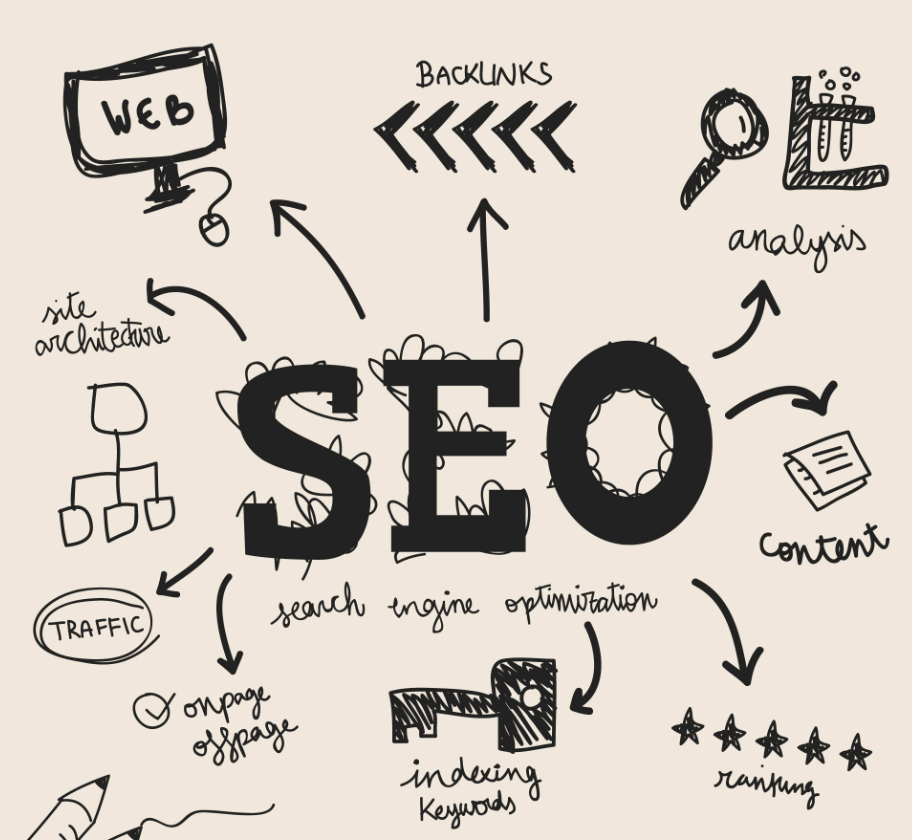
SEO Visibility: What It Is and How to Improve It
SEO visibility measures how often a website appears in organic search results for relevant searches. The more frequently a site appears—and the higher it ranks for valuable queries—the greater its potential to attract visitors from search engines.
Visibility is not the same as website traffic. A page can appear in search results without receiving clicks, and a rise in rankings does not always lead to more visitors or customers. Still, tracking SEO visibility can help businesses understand whether their search presence is growing and where there may be opportunities to improve.
What Does SEO Visibility Measure?
SEO visibility is generally an estimate based on a website’s rankings for a selected group of keywords. Many SEO platforms calculate a visibility score by considering factors such as:
- Keyword rankings: Where a website appears in search results for tracked queries.
- Search volume: How often people search for those queries.
- Estimated click-through rate: How likely a result is to receive clicks at its position.
- Search result features: Whether results include elements such as featured snippets, local listings, or image results.
Because different platforms use different data and calculations, visibility scores are most useful for tracking changes over time within the same tool. They should not be treated as a universal measure or compared directly across platforms.
Why SEO Visibility Matters
Strong search visibility can help a business reach people who are actively looking for information, products, or services. It can support brand awareness, bring qualified visitors to a website, and contribute to leads or sales.
Visibility data can also reveal patterns. For example, a business may discover that its pages are appearing more often for informational searches but not for searches with strong buying intent. That insight can guide decisions about content, site structure, and optimization priorities.
SEO Visibility vs. Traffic and Rankings
These related measures answer different questions:
- SEO visibility estimates how prominent a site is across a set of search queries.
- Rankings show a page’s position for a particular query at a given time and location.
- Organic traffic counts visits that arrive from unpaid search results.
- Conversions measure meaningful actions, such as purchases, inquiries, or sign-ups.
A visibility increase is encouraging, but it does not guarantee more traffic or revenue. Search intent, the quality of the result, the competition on the results page, and the usefulness of the landing page all influence what happens next.
How to Improve SEO Visibility
Research the Right Search Queries
Start by identifying the questions and phrases your intended audience uses. Look beyond broad, high-volume keywords. Specific searches often reveal clearer intent and may be a better match for your products, services, or expertise.
Group related queries by topic and purpose. Someone searching for general guidance may need an educational article, while someone comparing providers may be closer to making a decision. Matching content to that intent can make it more useful to both visitors and search engines.
Create Helpful, Original Content
Develop pages that answer real questions clearly and thoroughly. Useful content should demonstrate subject knowledge, address the reader’s needs, and offer information that is not simply a repetition of competing pages.
Organize content with descriptive headings, concise paragraphs, and examples where they help explain a topic. Keep important details accurate and update pages when products, services, or industry information change.
Optimize Titles and Page Details
Write a distinct, descriptive title for each important page. Titles should explain what the page is about and naturally include relevant language. Meta descriptions do not directly determine rankings, but a clear and compelling description may encourage searchers to choose your result.
Use headings to make the page easier to scan, and write descriptive link text so visitors understand what they will find when they click. Avoid forcing keywords into sentences where they sound unnatural.
Strengthen Internal Linking
Internal links connect pages on your website. They help visitors discover related information and help search engines understand how your content is organized. Link to important pages from relevant articles and use meaningful anchor text rather than relying only on phrases such as “click here.”
Address Technical SEO Issues
Search engines need to access, crawl, and understand your pages. Review your site for issues such as broken links, accidental indexing blocks, duplicate page versions, and confusing URL structures. Make sure important pages are included in your XML sitemap and that the sitemap is kept up to date.
Also check that the website works well on mobile devices, loads reliably, and uses HTTPS. Technical improvements cannot compensate for unhelpful content, but they can remove barriers that prevent valuable pages from performing well.
Improve the Page Experience
Visitors should be able to find information and complete tasks without unnecessary friction. Make navigation intuitive, use readable text, and avoid intrusive elements that make content difficult to access. A positive experience can support engagement and help turn search visitors into customers.
Earn Relevant Links and Mentions
Links from reputable, relevant websites can help search engines discover and assess your content. Focus on earning them through useful resources, original research, partnerships, and genuine industry relationships. Avoid schemes that promise large numbers of links or rely on manipulative tactics.
How to Track SEO Visibility
Use a consistent set of data sources to understand performance. Google Search Console can show the queries that lead to your site, along with impressions, clicks, click-through rates, and average positions. SEO platforms can track a selected keyword set and estimate visibility over time. Analytics tools can help connect organic visits with on-site actions.
When reviewing results:
- Track relevant keywords rather than trying to monitor every possible query.
- Compare performance over a suitable period, since rankings and search demand can fluctuate.
- Segment results by page, topic, device, location, or search intent where possible.
- Look at impressions, clicks, traffic, and conversions alongside visibility scores.
- Investigate significant changes before assuming they reflect a lasting trend.
Common SEO Visibility Mistakes
One common mistake is focusing only on rankings. A top position for an irrelevant query may bring little value, while a lower position for a highly relevant search could still contribute meaningful business results.
Another mistake is publishing many pages that target nearly identical searches. This can create overlapping content and make it harder to maintain clear, useful pages. Review existing content before creating a new page, and combine or revise pages when appropriate.
Finally, avoid judging success by a single visibility score. Search results vary by location, device, query, and time. Use visibility as one indicator within a broader measurement plan.
Build Visibility with a Long-Term Approach
SEO visibility grows through consistent work: understanding search intent, creating valuable content, maintaining a technically sound website, and learning from performance data. Improvements may take time, and results can vary, but a clear strategy helps focus effort on the searches and pages that matter most.
By treating visibility as a starting point—not the final goal—businesses can build a stronger search presence and connect it to outcomes such as qualified traffic, customer inquiries, and sales.
Understanding SEO Visibility: Key FAQs Answered
- How does Google define visibility?
- What is organic visibility?
- How SEO improve visibility?
- What are the 4 stages of SEO?
- How can I improve my SEO visibility?
- What does SEO visibility mean?
- What do you mean by SEO?
How does Google define visibility?
Google does not define “visibility” as a single official Search metric or score. In Google Search Console, you can assess how visible your site is by reviewing metrics such as impressions (how often your pages appeared in search results), average position, and clicks. SEO platforms may combine these and other factors into their own visibility scores, so the calculation can vary by tool.
What is organic visibility?
Organic visibility is how often and how prominently a website appears in unpaid search results for relevant queries. It reflects a site’s reach across search listings and can be influenced by keyword rankings, search demand, and the types of results shown. Higher organic visibility can help more people discover a website, though it does not guarantee clicks or conversions.
How SEO improve visibility?
SEO improves visibility by helping search engines understand, index, and rank your website for relevant searches. This includes creating useful content that matches what people are looking for, using clear page titles and headings, improving site speed and mobile usability, organizing pages with helpful internal links, and earning trustworthy links from other websites. Over time, these practices can help more of your pages appear in search results and connect your business with potential customers.
What are the 4 stages of SEO?
The four stages of SEO are commonly described as crawling, indexing, ranking, and monitoring. Search engines first crawl your website to discover its pages, then index the pages they consider suitable to show in search results. When someone searches, the search engine ranks relevant indexed pages based on factors such as usefulness, relevance, and site quality. The final stage is monitoring performance—reviewing rankings, traffic, and conversions, then improving your content and website over time. These stages work together to build and maintain search visibility.
How can I improve my SEO visibility?
Improve your SEO visibility by creating helpful, original content that matches what your audience is searching for, and optimize each page with clear titles, headings, and descriptive links. Research relevant keywords, strengthen internal links, fix technical issues that prevent search engines from crawling or indexing your site, and make sure your website works well on mobile. Track impressions, rankings, organic traffic, and conversions over time so you can identify what’s working and refine your strategy.
What does SEO visibility mean?
SEO visibility is an estimate of how often and how prominently your website appears in organic search results for a selected group of relevant keywords. It can help show whether your search presence is growing, but it is not the same as traffic, rankings for a single keyword, or sales. Visibility scores are calculated differently by SEO tools, so they’re most useful for tracking trends within the same platform over time.
What do you mean by SEO?
SEO stands for search engine optimization. It refers to the process of improving a website so search engines can better understand its content and people can find it more easily in unpaid search results. SEO may include creating helpful content, using clear page titles and headings, improving site speed and mobile usability, and making sure search engines can access important pages. The goal is to increase relevant visibility and attract visitors who are looking for the information, products, or services a site offers.