
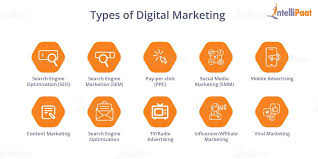
Content Marketing in Digital Marketing: A Practical Guide
Content marketing is a key part of digital marketing. It helps businesses attract the right audience, answer their questions, and build relationships over time. Rather than relying only on direct promotions, content marketing provides useful or entertaining material that gives people a reason to engage with a brand.
That content can take many forms, including blog posts, videos, email newsletters, podcasts, social media posts, guides, and webinars. The format may change, but the goal remains consistent: deliver value to an audience while supporting clear business objectives.
What Is Content Marketing?
Content marketing is the strategic creation and distribution of relevant content for a specific audience. It can help people discover a business, understand its products or services, compare options, and make informed decisions.
For example, a home improvement company might publish a guide to choosing energy-efficient windows. A financial services firm might create an explainer about budgeting basics. These resources can help readers while introducing them to the company’s expertise.
Effective content marketing is more than publishing frequently. It involves understanding what an audience needs, creating content that meets those needs, and sharing it through channels where people are likely to find it.
Why Content Marketing Matters
It helps people discover your business
Useful content can appear in search results, social feeds, newsletters, and other digital channels. When a piece answers a question or addresses a common challenge, it can introduce your business to people who may not have known about it before.
It builds trust and credibility
Consistently sharing accurate, helpful information can demonstrate knowledge and reliability. This does not mean every article needs to promote a product. In many cases, being genuinely useful is a stronger way to build a positive impression.
It supports the customer journey
People often need different information at different stages of a decision. Someone just learning about a problem may value a beginner’s guide, while someone comparing solutions may want a detailed product comparison or case study. A thoughtful content plan can serve both audiences.
It creates opportunities for engagement
Content gives people ways to interact with a brand, whether by reading an article, watching a video, signing up for an email newsletter, or sharing a post. These interactions can help businesses understand audience interests and continue the conversation.
Common Types of Content Marketing
- Blog articles: Explain topics, answer common questions, and offer practical advice.
- Videos: Demonstrate products, provide tutorials, or share interviews and stories.
- Email newsletters: Deliver useful updates and resources directly to subscribers.
- Social media content: Share short tips, visuals, announcements, and links to longer resources.
- Guides and e-books: Explore a subject in greater depth and provide a resource readers can refer to later.
- Podcasts: Use conversations and audio storytelling to explore topics in an accessible format.
- Case studies: Show how a customer addressed a challenge, with permission and accurate details.
- Webinars: Teach a topic live or on demand and give participants a chance to ask questions.
How Content Marketing Fits Into a Digital Strategy
Content marketing works best when it supports other digital marketing activities. Search engine optimization can help people find relevant content through search. Social media can help distribute it and encourage discussion. Email marketing can help a business stay in touch with subscribers. Paid advertising can bring additional attention to selected resources.
These channels should work together rather than operate as separate efforts. For instance, a business might publish a detailed article, create a short video that summarizes its main points, share excerpts on social media, and include the article in a newsletter. Repurposing content can extend its reach while keeping the core message consistent.
How to Build a Content Marketing Plan
Set clear goals
Start by deciding what content should accomplish. Goals might include increasing relevant website traffic, generating qualified inquiries, supporting customer education, or improving engagement with an email list. Clear goals make it easier to choose topics and evaluate results.
Understand your audience
Consider who you want to reach and what they need. Look at customer questions, sales conversations, support requests, search behavior, and feedback. The more closely content reflects real audience concerns, the more useful it is likely to be.
Choose relevant topics and formats
Build a list of topics connected to your audience’s interests and your organization’s expertise. Then select formats that suit both the subject and the people you want to reach. A step-by-step process may work well as an article or video, while a complex topic may call for a downloadable guide or webinar.
Create a realistic publishing schedule
A content calendar can help organize topics, formats, owners, and publication dates. Choose a pace your team can maintain. A few well-researched, carefully edited pieces may be more valuable than a high volume of rushed content.
Publish and promote
Publishing is only one part of the process. Share content through appropriate channels, such as your website, email list, social accounts, or partner networks. Tailor the message to each channel instead of simply reposting the same copy everywhere.
Measure and improve
Review performance against the goals you set. Use what you learn to update existing content, explore promising topics, and adjust distribution. Content marketing is an ongoing process, not a one-time campaign.
Measuring Content Marketing Performance
The right metrics depend on your goals. Website visits and search visibility can indicate whether people are finding content. Time on page, video completion, and email clicks can offer clues about engagement. Form submissions, qualified leads, and sales may help show whether content contributes to business outcomes.
No single metric tells the whole story. A high number of views does not necessarily mean a piece reached the right audience, and a page with modest traffic may still be valuable if it helps qualified prospects make a decision. Combine quantitative data with feedback from customers and employees to get a fuller picture.
Common Content Marketing Mistakes
- Publishing without a clear audience: Content may feel generic if it is not written for specific readers and their needs.
- Focusing only on promotion: Repeated sales messages can make it harder to build trust. Balance promotional content with useful information.
- Ignoring distribution: Even strong content needs a plan for reaching its intended audience.
- Chasing every trend: A trend is only worth pursuing if it fits the brand, audience, and goals.
- Overlooking updates: Older content can become inaccurate or outdated. Review important pages and refresh them when needed.
- Expecting immediate results: Some content may take time to gain visibility and demonstrate value, so set realistic expectations.
Creating Content That Earns Attention
Strong content starts with a genuine understanding of the audience. It should be clear, accurate, easy to navigate, and focused on a specific purpose. Use plain language, descriptive headings, and examples where they help explain an idea. For accessibility, provide captions or transcripts for video and audio content, and use meaningful descriptions for images.
It is also important to be transparent. Support claims with reliable information, disclose relevant relationships, and make it clear when content is sponsored or promotional. Trust is difficult to build and easy to damage.
The Lasting Value of Content Marketing
Content marketing helps businesses communicate with people throughout the digital customer journey. By publishing useful material, distributing it thoughtfully, and learning from performance, organizations can strengthen their online presence and create more meaningful audience relationships.
The most effective approach is not necessarily the one that produces the most content. It is the one that consistently delivers relevant value, supports well-defined goals, and gives people a reason to return.
5 Key Benefits of Content Marketing in Digital Marketing
- Builds brand awareness
- Attracts relevant audiences
- Supports search visibility
- Builds trust and credibility
- Nurtures leads over time
5 Key Drawbacks of Content Marketing in Digital Marketing
- Results can take time.
- Quality content requires ongoing effort.
- Competition for attention is high.
- Measuring direct impact can be difficult.
- Content may become outdated.
Builds brand awareness
Content marketing builds brand awareness by helping people discover your business through useful, relevant material. Blog posts, videos, social media updates, and other content can introduce your brand to new audiences, while a consistent voice and message make it easier for people to recognize and remember you. Over time, valuable content can strengthen your visibility and help your business stand out in a crowded digital marketplace.
Attracts relevant audiences
Content marketing helps attract relevant audiences by creating useful, focused material for the people most likely to benefit from a business’s products or services. When articles, videos, and guides address specific questions or needs, they can reach people actively looking for that information. This draws more qualified visitors to a website and gives businesses a better opportunity to build trust and connect with potential customers.
Supports search visibility
Content marketing can support search visibility by creating useful, relevant pages that answer the questions people enter into search engines. Well-structured articles, guides, and other resources can help search engines understand a website’s topics and connect its pages with relevant searches. When content is accurate, original, and kept up to date, it may attract more qualified visitors over time.
Builds trust and credibility
Content marketing builds trust and credibility by giving audiences helpful, accurate information before asking them to make a purchase. When a business consistently answers questions, explains complex topics, and shares useful insights, it demonstrates expertise and a genuine understanding of customers’ needs. Over time, this dependable value can strengthen a brand’s reputation and help potential customers feel more confident choosing its products or services.
Nurtures leads over time
Content marketing nurtures leads over time by providing helpful, relevant information at each stage of the decision-making process. Educational articles, email newsletters, case studies, and product guides can answer questions and address concerns without pressuring potential customers to buy before they’re ready. By staying in touch and consistently offering value, a business can build trust, remain top of mind, and help leads feel more confident when it’s time to make a decision.
Results can take time.
One drawback of content marketing is that results can take time. Helpful articles, videos, and other resources often need consistent publishing and promotion before they attract an audience, earn visibility in search results, or build trust with potential customers. This means businesses may not see immediate increases in traffic, leads, or sales, so content marketing works best with realistic expectations and a long-term plan.
Quality content requires ongoing effort.
One challenge of content marketing is that quality content requires ongoing effort. Researching topics, creating useful and accurate materials, editing them, and sharing them across the right channels all take time and resources. Businesses also need to update older content and keep publishing consistently to stay relevant and meet audience needs. Without a realistic plan and dedicated support, content efforts can become difficult to sustain.
Competition for attention is high.
One challenge of content marketing is the intense competition for people’s attention. Audiences encounter a constant stream of articles, videos, emails, and social media posts, making it difficult for any single piece of content to stand out. Businesses need to understand what their audience values and create useful, distinctive content, then share it through the right channels. Even strong content may take time and consistent effort to reach the people it was made for.
Measuring direct impact can be difficult.
One challenge of content marketing is that its direct impact can be difficult to measure. A customer may read a blog post, see a social media update, and receive an email before making a purchase, so it can be hard to determine which interaction influenced the decision. Content may also build awareness and trust over time without generating an immediate click or sale. Businesses can use metrics such as engagement, conversions, and assisted revenue to assess performance, but these measures may not capture the full contribution of every piece of content.
Content may become outdated.
One drawback of content marketing is that information can become outdated as products, industry trends, technology, or best practices change. Old articles and guides may confuse readers, weaken trust, or provide inaccurate advice if they aren’t reviewed regularly. Businesses can reduce this risk by scheduling content audits, updating key details and links, and clearly noting when information was last revised.