
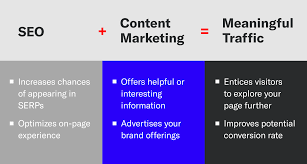
The Power of SEO Content Development in Driving Online Success
In today’s digital age, having a strong online presence is crucial for businesses looking to expand their reach and attract new customers. Search Engine Optimization (SEO) plays a vital role in ensuring that your website ranks well on search engine results pages, driving organic traffic to your site. One key aspect of SEO that often gets overlooked is content development.
What is SEO Content Development?
SEO content development involves creating high-quality, relevant, and engaging content for your website that is optimized for search engines. This content not only provides value to your audience but also helps search engines understand what your website is about and rank it accordingly.
The Benefits of SEO Content Development
Effective SEO content development offers a multitude of benefits for your online presence:
- Improved Search Engine Rankings: By incorporating relevant keywords and optimizing your content, you can improve your website’s visibility on search engine results pages.
- Increased Organic Traffic: Quality content attracts visitors to your site organically, reducing the need for paid advertising to drive traffic.
- Enhanced User Experience: Engaging and informative content keeps visitors on your site longer, reducing bounce rates and increasing the likelihood of conversions.
- Establishing Authority: By providing valuable information in your niche, you position yourself as an authority in the industry, building trust with your audience.
Tips for Effective SEO Content Development
To make the most of SEO content development, consider the following tips:
- Keyword Research: Identify relevant keywords that align with your business and target audience to incorporate them naturally into your content.
- Create High-Quality Content: Focus on producing informative, engaging, and well-researched content that adds value to your readers.
- Optimize Meta Tags: Write compelling meta titles and descriptions that encourage users to click through to your site from search engine results.
- Regularly Update Your Content: Keep your website fresh by updating existing content and adding new posts or pages regularly.
The Future of SEO Content Development
In an ever-evolving digital landscape, staying ahead with effective SEO content development is essential for businesses looking to succeed online. By investing time and resources into creating quality content that resonates with both users and search engines, you can drive organic traffic, increase engagement, and ultimately achieve online success.
Contact us today to learn more about how our expert team can help elevate your SEO content development strategies for optimal results!
Top 9 Frequently Asked Questions About SEO Content Development
- What is SEO content writing examples?
- How do I create SEO content?
- What is the salary of SEO content writer?
- What are the 4 stages of SEO?
- What is SEO in content creation?
- How do I create content for SEO?
- What are the 4 types of SEO?
- Is SEO hard for beginners?
- What is content development in SEO?
What is SEO content writing examples?
SEO content writing examples refer to specific instances where high-quality, optimized content is created with the intention of improving a website’s search engine rankings. These examples can include blog posts that incorporate relevant keywords naturally, product descriptions that are both informative and SEO-friendly, landing pages designed to attract organic traffic through strategic use of targeted keywords, and articles that provide valuable information while adhering to SEO best practices. By studying these SEO content writing examples, businesses can gain insights into how to effectively craft content that not only resonates with their audience but also boosts their online visibility and engagement.
How do I create SEO content?
Creating SEO content involves a strategic approach to crafting high-quality, relevant, and engaging content that is optimized for search engines. To create SEO content effectively, start by conducting thorough keyword research to identify relevant terms and phrases that your target audience is searching for. Incorporate these keywords naturally throughout your content, including in titles, headings, meta descriptions, and body text. Focus on providing valuable information that addresses the needs and interests of your audience while also adhering to SEO best practices such as proper formatting, internal linking, and mobile optimization. Regularly updating and refreshing your content can also help improve its visibility and ranking on search engine results pages. By following these guidelines and staying informed about the latest SEO trends, you can create compelling SEO content that resonates with both users and search engines.
What is the salary of SEO content writer?
The salary of an SEO content writer can vary depending on factors such as experience, location, industry, and company size. On average, SEO content writers in the United States can earn anywhere from $40,000 to $70,000 per year. However, experienced writers with specialized skills or working for high-demand industries may command higher salaries. It’s essential for companies to recognize the value of skilled SEO content writers in driving online visibility and engagement, thus compensating them competitively for their expertise in creating quality content that resonates with both audiences and search engines.
What are the 4 stages of SEO?
Understanding the four stages of SEO is essential for implementing a comprehensive and effective search engine optimization strategy. The first stage is the “Technical SEO” phase, which involves optimizing website infrastructure, ensuring proper indexing, and improving site speed. Next comes the “On-Page SEO” stage, where focus is on optimizing individual web pages with relevant keywords, meta tags, and quality content. The third stage is “Off-Page SEO,” which involves building backlinks from reputable sites to enhance domain authority and credibility. Finally, the fourth stage is “Local SEO,” where businesses optimize their online presence for local searches, including Google My Business listings and local citations. Mastering these four stages of SEO can significantly boost a website’s visibility and organic traffic.
What is SEO in content creation?
SEO in content creation refers to the practice of optimizing written material on a website to improve its visibility and ranking on search engine results pages. It involves incorporating relevant keywords, structuring content for readability, and providing valuable information that resonates with both users and search engines. By focusing on SEO in content creation, businesses can attract organic traffic, enhance user experience, and establish authority in their industry. Ultimately, SEO in content creation is a strategic approach that aims to drive online success by ensuring that content is not only engaging but also easily discoverable by potential audiences searching for related topics.
How do I create content for SEO?
Creating content for SEO involves a strategic approach to ensure that your content not only resonates with your target audience but also ranks well on search engine results pages. To create SEO-friendly content, start by conducting thorough keyword research to identify relevant and high-traffic keywords related to your industry. Incorporate these keywords naturally throughout your content, including in headings, subheadings, and meta tags. Focus on producing high-quality, informative, and engaging content that addresses the needs and interests of your audience. Additionally, pay attention to on-page optimization elements such as meta titles, descriptions, and internal linking to enhance the visibility of your content. Regularly updating and promoting your content can also help improve its search engine rankings over time.
What are the 4 types of SEO?
When it comes to SEO, there are four main types that businesses should consider implementing to enhance their online visibility and rankings. These include on-page SEO, off-page SEO, technical SEO, and local SEO. On-page SEO focuses on optimizing individual web pages with relevant content and keywords. Off-page SEO involves building backlinks and establishing authority through external sources. Technical SEO deals with website structure, speed, and other technical aspects that impact search engine rankings. Local SEO targets local audiences by optimizing business listings and content for specific geographic regions. By incorporating these four types of SEO strategies effectively, businesses can improve their online presence and attract more organic traffic to their websites.
Is SEO hard for beginners?
Navigating the world of SEO as a beginner can indeed seem like a daunting task. The intricacies of search engine algorithms, keyword research, content optimization, and link building can be overwhelming at first glance. However, with dedication, persistence, and the right guidance, mastering SEO as a beginner is achievable. Starting with the basics, such as understanding the importance of quality content and user experience, laying a strong foundation for SEO success becomes more manageable. While it may present challenges initially, learning and implementing SEO strategies gradually can lead to improved online visibility and organic traffic over time. Remember, patience and continuous learning are key when embarking on your SEO journey as a beginner.
What is content development in SEO?
Content development in SEO refers to the strategic process of creating and optimizing high-quality, relevant, and engaging content for a website with the goal of improving its search engine rankings and attracting organic traffic. This involves researching and incorporating targeted keywords, structuring content to enhance readability and user experience, and aligning the content with the overall SEO strategy of the website. Effective content development in SEO not only helps search engines understand the relevance of a website but also provides valuable information to users, establishing authority in the industry and driving conversions.