
GSA Search Engine Ranker: What It Is and What to Know Before Using It
GSA Search Engine Ranker, often called GSA SER, is desktop software designed to automate parts of link building. It can create and manage backlink campaigns across a range of website platforms. Because it can operate at scale, it has attracted attention from SEO professionals—but it also requires careful use. Automated link building can create low-quality links, waste resources, and put a website at odds with search engine spam policies.
What Is GSA Search Engine Ranker?
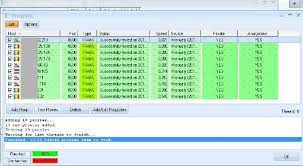
GSA SER is a Windows-based application that automates tasks involved in finding websites, submitting content, and attempting to place backlinks. Users can configure projects with target URLs, anchor text, content, and other settings. The software then works through available targets and records whether submissions succeed.
Its features and performance depend on the project configuration, target websites, and any supporting services a user chooses to connect. Automation does not guarantee that a link will be published, remain live, or provide SEO value.
How Does It Work?
At a high level, a GSA SER campaign typically involves defining the pages to promote, supplying content and link details, selecting target types, and setting limits for the software’s activity. The program attempts to submit information to compatible sites and tracks the results.
That process can produce a large number of submissions, but quantity is not the same as quality. Some targets may be irrelevant, inactive, poorly maintained, or designed primarily to host links. A backlink’s value depends on factors such as relevance, editorial context, and the credibility of the linking site—not simply on whether a tool successfully created it.
Potential Benefits
- Automation: The software can reduce repetitive submission and tracking work.
- Campaign management: Projects and reports can help users organize experiments and monitor outcomes.
- Testing flexibility: Experienced users may use it in controlled tests or for learning about automated link-building workflows.
These advantages are most relevant to people who understand the technical and reputational risks. They do not make automated link building a reliable shortcut to better rankings.
Risks and Limitations
Search engines discourage tactics intended to manipulate rankings, including link spam. Google’s spam policies describe practices such as automated link creation and large-scale link schemes as violations. Using software to generate many backlinks can therefore create risk, particularly when links are irrelevant, deceptive, or created mainly to influence search rankings.
Other limitations include:
- Low-quality links: Automated campaigns may reach sites with little relevance or editorial oversight.
- Unpredictable results: A submitted link may never be approved, may disappear, or may have no measurable effect.
- Reputation concerns: Spammy submissions can reflect poorly on a brand and its website.
- Ongoing maintenance: Campaigns require monitoring, review, and cleanup; they are not a set-and-forget solution.
Search engines do not publish a simple formula for predicting the consequences of any particular link. Still, relying on manipulative link tactics is a poor foundation for a durable SEO strategy.
Is GSA Search Engine Ranker Right for Your Business?
For most businesses focused on long-term organic growth, GSA SER is not a substitute for useful content, a technically sound website, and genuine relationships with relevant publishers. Before considering any automated link-building tool, assess whether the proposed activity complies with search engine policies and whether the potential benefits justify the risks.
If the goal is to improve visibility, consider approaches that earn links because they help readers or publishers, such as publishing original research, creating useful resources, contributing expert commentary, or building partnerships within your industry.
Safer, Sustainable SEO Practices
- Create helpful pages that directly answer your audience’s questions.
- Improve site speed, accessibility, navigation, and mobile usability.
- Earn relevant mentions through public relations, partnerships, and useful resources.
- Review backlink reports for unusual patterns and investigate suspicious activity.
- Measure progress using qualified traffic, conversions, and visibility—not just the number of links.
The Bottom Line
GSA Search Engine Ranker is an automation tool for backlink submissions, not a guarantee of higher rankings. Its ability to scale activity is also the source of its greatest risk: poorly managed campaigns can create links that are irrelevant, low quality, or inconsistent with search engine guidelines. For businesses seeking lasting search visibility, a people-first SEO strategy built around useful content, sound technical foundations, and legitimate outreach is generally the more sustainable choice.
6 Essential Tips for Effective GSA Search Engine Ranker Use
- Start with a small test campaign.
- Target relevant, reputable websites.
- Avoid high-volume link blasts.
- Use varied, natural anchor text.
- Monitor backlinks and rankings regularly.
- Follow search engine spam policies.
Start with a small test campaign.
Start with a small test campaign before using GSA Search Engine Ranker at scale. Limit the number of target sites and links, and monitor where submissions go, whether links remain live, and how the campaign affects your site. A controlled test can reveal configuration issues and help you assess quality and risk without exposing your website to a large volume of unwanted links. Don’t treat successful submissions as proof of SEO value, and make sure your approach follows search engine spam policies.
Target relevant, reputable websites.
When using GSA Search Engine Ranker, focus on websites that are genuinely relevant to your industry and have a credible reputation. A link from a trusted site with an audience related to your business is more meaningful than a large number of links from unrelated or low-quality pages. Review each potential target for relevance, content quality, and legitimacy, and avoid automated placements that could look like spam or violate search engine guidelines.
Avoid high-volume link blasts.
Avoid high-volume link blasts when using GSA Search Engine Ranker. Generating many backlinks in a short period can create an unnatural link profile, attract low-quality or irrelevant links, and put your site at odds with search engine spam policies. Focus instead on earning relevant links gradually, review placements for quality, and prioritize useful content and legitimate outreach over sheer volume.
Use varied, natural anchor text.
Use varied, natural anchor text that accurately describes the linked page and fits the surrounding content. A healthy backlink profile may include branded terms, page titles, plain URLs, and descriptive phrases rather than repetitive exact-match keywords. If using GSA Search Engine Ranker, avoid generating links solely to manipulate rankings; automated campaigns can create unnatural patterns that conflict with search engine spam policies. Focus on relevant, useful links and review placements for quality.
Monitor backlinks and rankings regularly.
Monitor backlinks and rankings regularly when using GSA Search Engine Ranker to understand how your campaigns may be affecting your site. Review new and lost links, check whether linking pages are relevant and trustworthy, and watch for unusual changes in rankings or organic traffic. Regular monitoring helps you spot low-quality link patterns early, assess whether your SEO efforts are producing meaningful results, and decide when to pause or adjust a campaign.
Follow search engine spam policies.
When using GSA Search Engine Ranker, follow search engine spam policies and avoid automated link-building tactics intended to manipulate rankings. Review each campaign carefully, prioritize relevant and genuinely useful placements, and don’t treat a high volume of backlinks as a measure of success. Search engine guidelines can change, so check current policies before launching a campaign; when in doubt, focus on earning links through helpful content and legitimate outreach.