
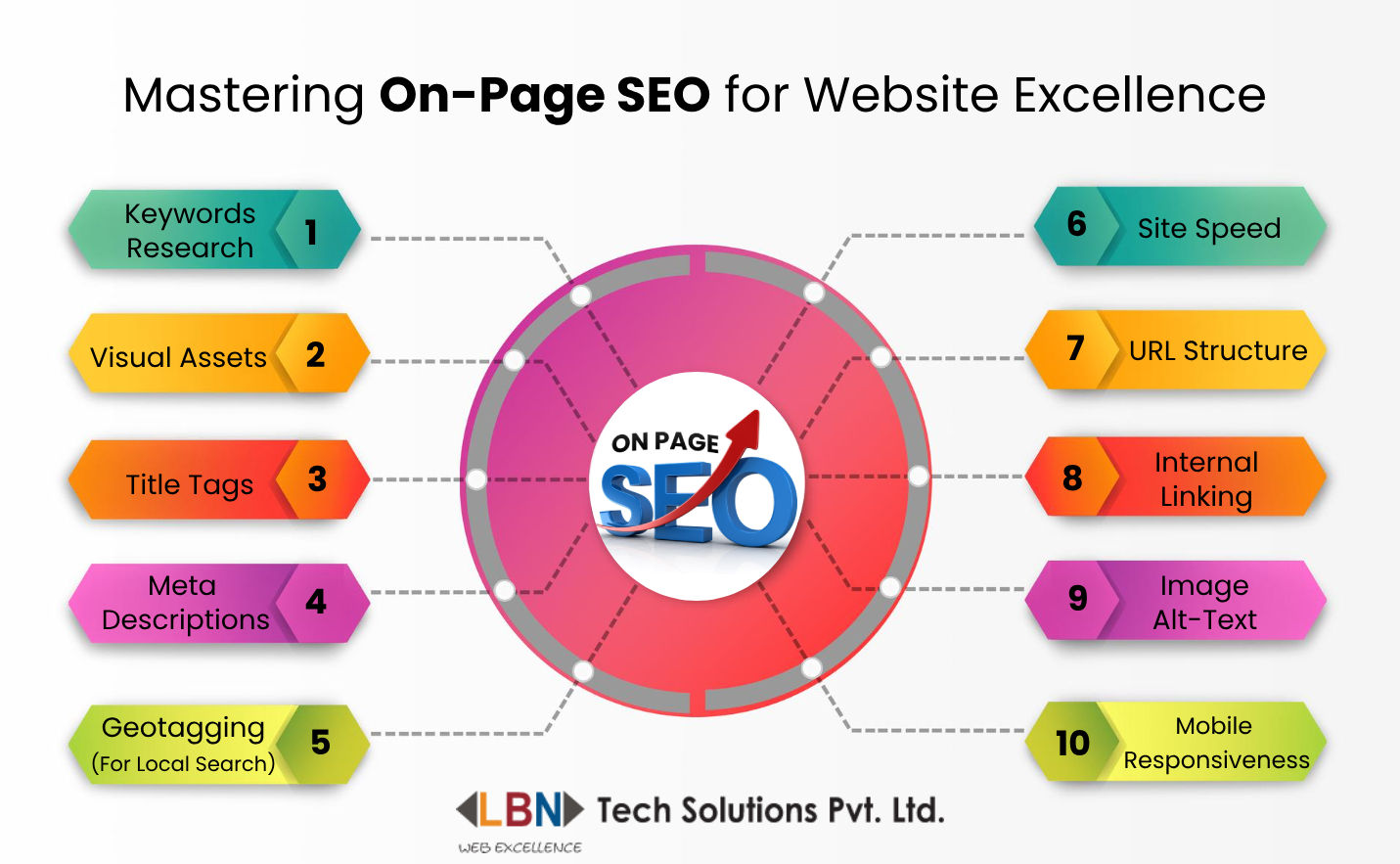
The Importance of One-Page SEO for Your Website
Search Engine Optimization (SEO) is a crucial aspect of any successful online presence. While many website owners focus on optimizing their entire site, the concept of one-page SEO is gaining traction for its targeted approach and potential impact on search rankings.
What is One-Page SEO?
One-page SEO involves optimizing individual web pages to improve their visibility and ranking on search engine results pages (SERPs). Instead of optimizing an entire website, this strategy focuses on enhancing the performance of specific pages that are crucial for driving traffic and conversions.
The Benefits of One-Page SEO
One-page SEO offers several benefits that can help boost your website’s overall performance:
- Targeted Optimization: By focusing on specific pages, you can tailor your optimization efforts to meet the unique needs and goals of each page.
- Improved User Experience: Optimizing individual pages can lead to a better user experience, as visitors are more likely to find relevant and valuable content that meets their needs.
- Increased Conversion Rates: Well-optimized pages are more likely to convert visitors into customers or leads, leading to improved conversion rates and business growth.
- Enhanced Search Visibility: By optimizing key pages for targeted keywords, you can improve their visibility in search results and attract more organic traffic.
Key Elements of One-Page SEO
When implementing one-page SEO strategies, consider focusing on the following key elements:
- Title Tags and Meta Descriptions: Optimize these elements with relevant keywords to improve click-through rates from search results.
- Keyword Placement: Place targeted keywords strategically throughout the page content, headings, and image alt text.
- User-Friendly URLs: Use descriptive URLs that include keywords related to the page content for better search visibility.
- H1 Tags and Headings: Structure your content with proper headings (H1-H6) to improve readability and keyword optimization.
- Internal Linking: Link relevant pages within your site to provide context and improve navigation for both users and search engines.
In Conclusion
In today’s competitive online landscape, implementing effective one-page SEO strategies can make a significant difference in your website’s performance. By focusing on optimizing key pages for targeted keywords and providing valuable content for users, you can enhance your search visibility, attract more traffic, and ultimately drive business growth. Consider incorporating one-page SEO tactics into your digital marketing strategy to maximize your online success.
8 Essential Tips for Boosting Your One-Page SEO Strategy
- Create high-quality and relevant content that targets specific keywords.
- Optimize title tags, meta descriptions, and headers with relevant keywords.
- Improve website loading speed for better user experience.
- Use internal links to connect related content within your website.
- Optimize images with descriptive filenames and alt text.
- Utilize social media to promote your content and attract more visitors.
- Ensure your website is mobile-friendly for better accessibility on different devices.
- Monitor performance using tools like Google Analytics to track progress and make improvements.
Create high-quality and relevant content that targets specific keywords.
Creating high-quality and relevant content that targets specific keywords is a fundamental tip for effective one-page SEO. By crafting content that is not only informative and engaging but also optimized for relevant keywords, you can increase the visibility of your page in search engine results. This approach helps attract targeted traffic to your website, as users searching for those specific keywords are more likely to discover and engage with your content. Additionally, focusing on quality content enhances the user experience, leading to higher retention rates and improved conversion opportunities. By prioritizing the creation of valuable content that aligns with targeted keywords, you can strengthen your one-page SEO strategy and drive meaningful results for your online presence.
Optimize title tags, meta descriptions, and headers with relevant keywords.
To improve your website’s search engine visibility and attract targeted traffic, it is essential to optimize critical elements such as title tags, meta descriptions, and headers with relevant keywords. By strategically incorporating keywords that align with your content and target audience into these areas, you can enhance the chances of your pages appearing prominently in search results. Crafting compelling and keyword-rich title tags and meta descriptions not only improves click-through rates but also signals to search engines the relevance of your content. Additionally, utilizing keywords in headers (H1, H2, etc.) helps organize and emphasize key information for both users and search engine crawlers, contributing to a more effective one-page SEO strategy.
Improve website loading speed for better user experience.
Enhancing your website loading speed is a crucial aspect of one-page SEO that can significantly impact user experience. A fast-loading website not only improves user satisfaction but also reduces bounce rates and increases the likelihood of visitors staying on your page longer. By optimizing elements such as image sizes, minimizing code, and leveraging browser caching, you can create a smoother and more efficient browsing experience for your audience. Prioritizing website loading speed as part of your SEO strategy can lead to improved search rankings, increased engagement, and ultimately, better conversion rates for your business.
Use internal links to connect related content within your website.
Utilizing internal links is a fundamental aspect of one-page SEO strategy. By strategically linking related content within your website, you not only provide users with a seamless navigation experience but also help search engines understand the relevance and structure of your site. Internal links can improve the discoverability of your content, increase time spent on your website, and enhance overall user engagement. By connecting related pages through internal linking, you create a cohesive web of information that not only benefits your visitors but also boosts the SEO performance of your site.
Optimize images with descriptive filenames and alt text.
An essential tip for effective one-page SEO is to optimize images by using descriptive filenames and alt text. When search engines crawl your website, they rely on image filenames and alt text to understand the content of your images. By using descriptive filenames that include relevant keywords and providing informative alt text that describes the image accurately, you can improve your chances of ranking higher in search results. This not only enhances the accessibility of your website for visually impaired users but also contributes to overall SEO performance by making your content more relevant and engaging for both users and search engines.
Utilize social media to promote your content and attract more visitors.
Utilizing social media to promote your content is a powerful strategy for enhancing your one-page SEO efforts. By sharing your valuable content across popular social platforms, you can increase visibility, drive traffic to your website, and attract more visitors. Engaging with your audience on social media not only expands your reach but also creates opportunities for user interaction and content sharing, ultimately boosting your online presence and search engine rankings. Incorporating social media promotion into your one-page SEO strategy can significantly amplify the impact of your optimized content and contribute to the overall success of your digital marketing efforts.
Ensure your website is mobile-friendly for better accessibility on different devices.
Ensuring that your website is mobile-friendly is a crucial aspect of one-page SEO. With the increasing use of mobile devices to access the internet, having a responsive design that adapts seamlessly to various screen sizes is essential for better accessibility and user experience. A mobile-friendly website not only improves your site’s visibility on search engines but also enhances usability for visitors on smartphones and tablets. By prioritizing mobile optimization, you can cater to a wider audience and drive more traffic to your site, ultimately boosting your online presence and engagement levels.
Monitor performance using tools like Google Analytics to track progress and make improvements.
Monitoring the performance of your website is essential for successful one-page SEO. Utilizing tools such as Google Analytics allows you to track key metrics, analyze user behavior, and measure the effectiveness of your optimization efforts. By regularly monitoring and analyzing data, you can identify areas for improvement, track progress towards your goals, and make informed decisions to enhance the performance of your optimized pages. Continuous monitoring and adjustments based on insights from analytics tools are crucial for maintaining and improving the search visibility and overall success of your website.