
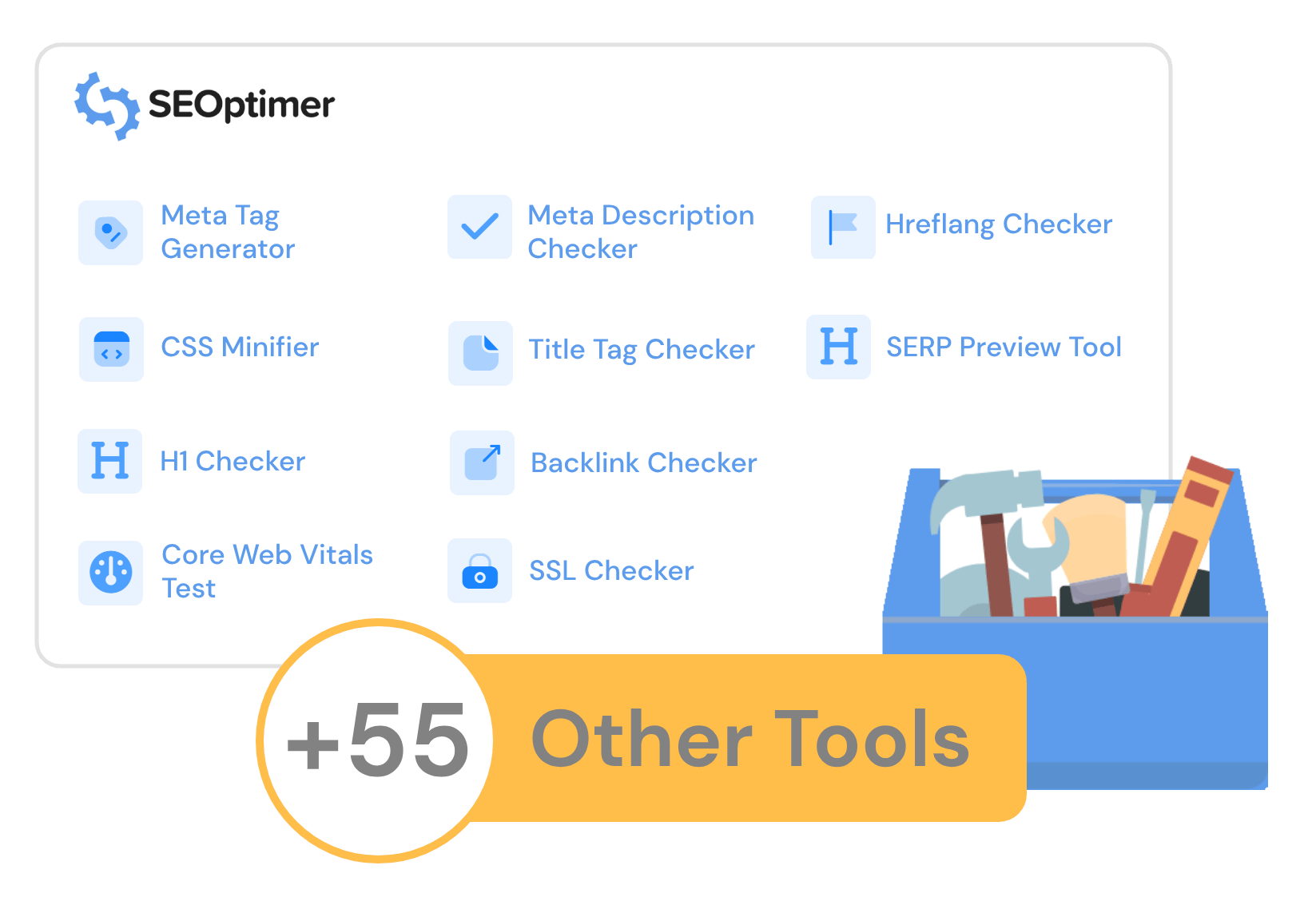
SEO Toolkit: Essential Tools for Improving Search Visibility
An SEO toolkit brings together the tools and reports used to research, manage, and improve a website’s visibility in search engines. Whether you run a small business website, publish a blog, or manage a larger site, the right toolkit can help you spot opportunities, diagnose issues, and make informed decisions.
SEO tools don’t guarantee higher rankings. They provide data and recommendations that can guide your work. Results depend on the quality of your website, content, competition, and ongoing improvements.
What Does an SEO Toolkit Include?
A toolkit may combine several types of tools, or offer them through a single platform. Common features include:
- Keyword research: Finds search terms people use and helps you understand their intent, popularity, and competition.
- Rank tracking: Monitors how selected pages appear in search results for target queries over time.
- Website audits: Checks for technical and on-page issues, such as broken links, missing metadata, or crawlability problems.
- Backlink analysis: Reviews links pointing to your site and helps you understand your link profile.
- Competitor research: Provides insight into competing websites’ content, keywords, and referring links.
- Content optimization: Helps organize topics, assess page structure, and identify ways to make content more useful.
- Analytics and reporting: Tracks website visits, search performance, and other metrics that help measure progress.
Why Use an SEO Toolkit?
SEO involves many connected tasks. A toolkit can make that work easier by bringing useful data into one place and helping you prioritize next steps. For example, an audit might reveal that important pages are difficult for search engines to crawl. Keyword research might show that customers use different terms than your business does. Performance reports can help you see whether updates are associated with changes in traffic or visibility.
Tools can also save time. Instead of reviewing every page manually, you can use reports to identify areas that deserve closer attention. The goal is not to act on every alert, but to use the findings to make thoughtful improvements.
How to Choose the Right Toolkit
The best SEO toolkit is one that fits your goals, experience, and budget. Before choosing a tool or subscription, consider the following:
- Your main SEO needs: A local business may prioritize local listings and location-based search terms, while a publisher may need content research and performance tracking.
- Ease of use: Look for clear reports and explanations, especially if you’re new to SEO.
- Data and limits: Compare how much data is available, how often it updates, and whether usage limits fit your workload.
- Integrations: Check whether the toolkit works with your analytics, content management, or reporting systems.
- Cost and scalability: Choose a plan that meets your current needs without paying for features you won’t use.
- Support and learning resources: Documentation, training, and customer support can make a tool more useful.
A Practical SEO Toolkit Workflow
Tools are most valuable when they support a consistent process. A simple workflow might look like this:
- Set a goal. Decide what you want to improve, such as organic traffic to a service page or visibility for a group of relevant searches.
- Establish a baseline. Record current performance so you can compare results over time.
- Research your audience. Use keyword and search-intent research to understand what people are looking for.
- Review your website. Run a technical and content audit, then verify important findings directly on your site.
- Prioritize changes. Focus first on issues that affect important pages or prevent users and search engines from accessing useful content.
- Make and document updates. Keep a record of changes so you can interpret performance shifts more accurately.
- Measure and refine. Review results regularly, taking seasonality and other changes into account.
Free and Paid SEO Tools
Many website owners can begin with free tools for search performance, analytics, page testing, and basic website checks. Paid SEO platforms often add broader keyword databases, larger-scale audits, competitor insights, rank tracking, or team reporting.
A paid subscription is not automatically necessary. Start by identifying the questions you need to answer. If free tools provide enough information, they may be all you need. If you manage multiple websites, conduct frequent research, or need detailed reporting, a paid toolkit may save time.
Use SEO Data Carefully
SEO tools estimate and organize information; they do not always show the complete picture. Search volume and ranking data can vary between providers, and automated audits may flag issues that have little practical impact. Treat recommendations as leads to investigate, not instructions to follow blindly.
Always consider the people who will use your website. Useful, accurate content, clear navigation, and a good page experience matter more than chasing a single score. Avoid tactics that promise instant rankings or rely on manipulative practices.
Build a Toolkit Around Your Goals
A well-chosen SEO toolkit can help you make better decisions, but the tools themselves are only part of the process. Pair reliable data with a clear strategy, useful content, and regular evaluation. By focusing on meaningful improvements instead of chasing every metric, you can build a more sustainable approach to search engine optimization.
7 Key Benefits of an SEO Toolkit: From Keyword Discovery to Efficient Reporting
- Finds relevant keyword opportunities
- Tracks search rankings over time
- Identifies technical website issues
- Reveals competitor strategies
- Helps improve website content
- Monitors backlinks and link quality
- Makes SEO reporting more efficient
4 Drawbacks of Using SEO Toolkits: Costs, Complexity, Data Issues, and Uncertain Results
- Can be expensive
- May have a steep learning curve
- Data can be inaccurate or delayed
- Does not guarantee higher rankings
Finds relevant keyword opportunities
An SEO toolkit helps uncover relevant keyword opportunities by showing the search terms people use when looking for products, services, or information like yours. It can reveal related phrases, long-tail queries, and topics your competitors may be targeting, helping you better understand search intent and identify gaps in your content. Use these insights to create useful pages that answer real questions and connect with the right audience.
Tracks search rankings over time
An SEO toolkit can track your search rankings over time, showing how your pages perform for important keywords. By reviewing these trends, you can see whether your SEO efforts are making a difference, spot pages that may need attention, and respond to changes in search visibility. Rankings can fluctuate, so tracking them over time provides more useful context than relying on a single snapshot.
Identifies technical website issues
An SEO toolkit can identify technical website issues that may make it harder for search engines to crawl, index, or understand your pages. It can flag problems such as broken links, slow-loading pages, duplicate content, missing metadata, and mobile usability concerns. Finding these issues helps you prioritize fixes, improve the experience for visitors, and make your site easier for search engines to access.
Reveals competitor strategies
An SEO toolkit can reveal valuable insights into your competitors’ strategies, including the keywords they target, the content attracting visitors, and the websites linking to them. This information can help you spot gaps in your own approach, uncover new content opportunities, and make more informed decisions about how to strengthen your search visibility. Use these insights as inspiration for an original strategy rather than simply copying what competitors do.
Helps improve website content
An SEO toolkit helps improve website content by showing what your audience is searching for and how well your pages meet those needs. Keyword research can reveal relevant topics and questions, while content analysis can highlight opportunities to improve page titles, headings, structure, and clarity. Used thoughtfully, these insights help you create more useful, easy-to-find content without sacrificing readability or your brand’s voice.
Monitors backlinks and link quality
An SEO toolkit helps you monitor backlinks—links from other websites to yours—and assess their quality. By tracking where links come from and spotting potentially spammy or irrelevant links, you can better understand your site’s link profile, identify valuable outreach opportunities, and address issues that may affect your search visibility.
Makes SEO reporting more efficient
An SEO toolkit makes reporting more efficient by bringing key performance data—such as organic traffic, keyword rankings, backlinks, and technical issues—into one place. Instead of gathering numbers manually from multiple sources, marketers can create clear, consistent reports more quickly and spend more time interpreting results and planning next steps. This streamlined process also makes it easier to track progress over time and share useful insights with clients or team members.
Can be expensive
One drawback of an SEO toolkit is that it can be expensive, especially for small businesses, freelancers, or website owners with limited budgets. Many platforms charge monthly subscription fees, and advanced features or higher usage limits may require more costly plans. Before subscribing, compare pricing and features, and consider whether free tools can meet your needs.
May have a steep learning curve
One potential downside of an SEO toolkit is its steep learning curve. Many platforms include detailed reports, technical terms, and advanced features that can feel overwhelming to beginners. It may take time to understand which metrics matter, how to interpret the data, and which recommendations are worth acting on. Without guidance or training, users may overlook useful insights or focus on changes that have little impact.
Data can be inaccurate or delayed
One drawback of an SEO toolkit is that its data can be inaccurate or delayed. Keyword volumes, rankings, traffic estimates, and backlink reports are often based on samples or periodic updates, so they may not reflect what is happening in search results right now. Treat these figures as helpful estimates rather than exact measurements, and compare them with your website’s analytics and search performance data before making important decisions.
Does not guarantee higher rankings
An SEO toolkit can help identify opportunities, track performance, and uncover website issues, but it cannot guarantee higher search rankings. Search results are influenced by many factors, including competition, content quality, user needs, and changes to search engine algorithms. Tools provide data and recommendations—not control over how search engines rank a page—so improvements may take time and results can vary.