
The Importance of SEO Design for Your Website
Search Engine Optimization (SEO) design plays a crucial role in ensuring that your website ranks well in search engine results. It involves optimizing the design and structure of your website to make it more search engine-friendly and user-friendly at the same time.
Key Elements of SEO Design:
Responsive Design: A responsive design ensures that your website is mobile-friendly, which is essential for both user experience and SEO ranking. Search engines like Google prioritize mobile-friendly websites in their rankings.
Page Load Speed: Fast-loading pages not only enhance user experience but also contribute to better SEO rankings. Search engines favor websites that load quickly, so optimizing your website’s load speed is crucial.
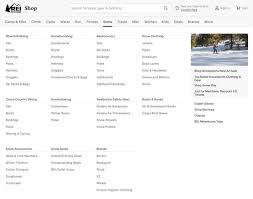
User-Friendly Navigation: Clear and intuitive navigation helps users find information easily on your website. Search engines also value websites with good navigation structures, as they indicate a positive user experience.
Quality Content: Well-written, relevant content is key to successful SEO design. Search engines prioritize websites with high-quality content that provides value to users. Including relevant keywords strategically within your content can further boost your SEO efforts.
Benefits of SEO Design:
Improved Visibility: By optimizing your website for search engines, you increase the likelihood of appearing higher in search results, leading to greater visibility among potential visitors.
Higher Traffic: A well-designed website that ranks well in search results attracts more organic traffic, reducing the need for paid advertising to drive visitors to your site.
Better User Experience: SEO design focuses on creating a seamless user experience by improving site speed, navigation, and overall usability, which can lead to increased engagement and conversions.
In Conclusion
Incorporating SEO design principles into your website can significantly impact its performance in search engine results and enhance the overall user experience. By prioritizing elements such as responsive design, page load speed, navigation, and quality content, you can improve your website’s visibility, attract more traffic, and ultimately achieve greater success online.
Top 5 FAQs About SEO Design: Importance, Optimization, and Impact on Website Performance
- What is SEO design and why is it important for a website?
- How does responsive design contribute to SEO optimization?
- Why is page load speed crucial for SEO design?
- What role does user-friendly navigation play in SEO optimization?
- How can quality content impact the effectiveness of SEO design?
What is SEO design and why is it important for a website?
SEO design refers to the practice of optimizing the design and structure of a website to enhance its visibility and ranking in search engine results. It is crucial for websites because it helps improve their chances of being discovered by users searching for relevant content or products online. By incorporating SEO design principles such as responsive design, fast page load speed, user-friendly navigation, and quality content, websites can attract more organic traffic, provide a better user experience, and ultimately achieve higher rankings in search engine results pages. In essence, SEO design is essential for ensuring that a website is not only visually appealing but also effectively optimized for search engines to drive traffic and maximize online visibility.
How does responsive design contribute to SEO optimization?
Responsive design plays a crucial role in SEO optimization by ensuring that websites are mobile-friendly and provide a seamless user experience across different devices. Search engines like Google prioritize mobile-friendly websites in their rankings, so having a responsive design can positively impact your SEO performance. By adapting to various screen sizes and resolutions, responsive design helps improve website usability, reduce bounce rates, and increase user engagement – all factors that search engines consider when determining search result rankings. In essence, responsive design not only caters to the needs of mobile users but also signals to search engines that your website is well-optimized for modern browsing habits, ultimately boosting your SEO efforts.
Why is page load speed crucial for SEO design?
Page load speed is a critical factor in SEO design because it directly impacts user experience and search engine rankings. When a website loads quickly, users are more likely to stay on the site, engage with its content, and ultimately convert. Search engines like Google prioritize websites that provide a positive user experience, including fast-loading pages, by ranking them higher in search results. Slow-loading websites not only frustrate users but also risk being penalized by search engines, leading to lower visibility and decreased organic traffic. Therefore, optimizing page load speed is essential for improving SEO performance and ensuring the success of a website in today’s competitive online landscape.
What role does user-friendly navigation play in SEO optimization?
User-friendly navigation plays a crucial role in SEO optimization by enhancing the overall user experience and making it easier for both visitors and search engine crawlers to navigate your website. Clear and intuitive navigation improves the accessibility of your content, leading to increased engagement and lower bounce rates. Search engines value websites that provide a positive user experience, so optimizing your site’s navigation structure can contribute to higher rankings in search results. By ensuring that users can easily find what they are looking for on your website, you not only improve usability but also strengthen your SEO efforts.
How can quality content impact the effectiveness of SEO design?
Quality content plays a pivotal role in enhancing the effectiveness of SEO design. Search engines prioritize websites that offer valuable, relevant, and engaging content to users. By incorporating quality content that is optimized with strategic keywords and provides genuine value to the audience, a website can improve its search engine rankings and visibility. Well-crafted content not only attracts organic traffic but also encourages user engagement and interaction, ultimately contributing to a positive user experience and boosting the overall success of SEO design efforts.