
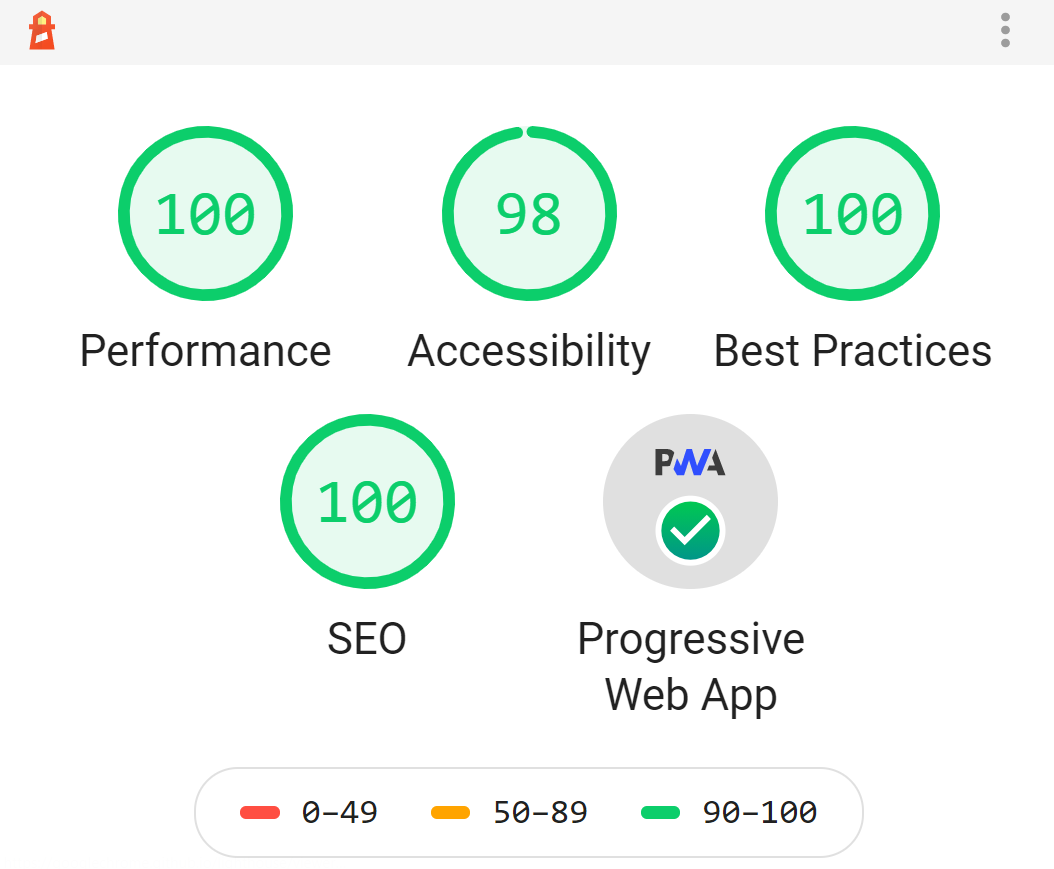
The Impact of Progressive Web Apps (PWAs) on SEO
Progressive Web Apps (PWAs) have been gaining popularity in recent years for their ability to combine the best features of websites and mobile applications. But how do PWAs affect Search Engine Optimization (SEO)? Let’s delve into the impact of PWAs on SEO strategies.
Improved User Experience
PWAs are known for their fast loading speeds, seamless navigation, and offline capabilities. These factors contribute to enhanced user experience, which is a crucial aspect of SEO. Search engines like Google prioritize websites that offer a positive user experience, leading to higher rankings in search results.
Mobile-Friendliness
With the increasing use of mobile devices for browsing the internet, having a mobile-friendly website is essential for SEO success. PWAs are designed to be responsive and perform well on various devices, ensuring that your website ranks well in mobile search results.
Engagement and Retention
PWAs encourage higher user engagement and retention rates due to their app-like features such as push notifications and offline access. Increased user engagement signals to search engines that your website provides valuable content, leading to improved SEO performance.
Speed and Performance
Page speed is a critical ranking factor in SEO algorithms. PWAs are optimized for speed, allowing for quick loading times and smooth performance across different network conditions. By improving page speed, PWAs can positively impact your website’s SEO rankings.
Indexing and Crawlability
PWAs are built using web technologies that are easily crawlable by search engine bots. This means that search engines can index PWA content more efficiently, leading to better visibility in search results. Additionally, PWAs can be indexed as standalone web pages, contributing to a stronger online presence.
Conclusion
In conclusion, Progressive Web Apps (PWAs) have a significant impact on SEO by enhancing user experience, improving mobile-friendliness, boosting engagement and retention rates, optimizing speed and performance, and facilitating efficient indexing and crawlability. By incorporating PWAs into your digital strategy, you can strengthen your SEO efforts and achieve higher rankings in search engine results.
Top 5 SEO Benefits of Progressive Web Apps: Boost Rankings and User Engagement
- Improved user experience leading to higher SEO rankings
- Mobile-friendly design for better visibility in mobile search results
- Enhanced user engagement and retention rates
- Optimized speed and performance for improved SEO performance
- Efficient indexing and crawlability by search engines
6 SEO Challenges of Progressive Web Apps: Navigating iOS Support, Features, and More
- Limited iOS Support
- Less Advanced Features
- Dependency on Browser Compatibility
- Potential Performance Issues
- Security Concerns
- Offline Limitations
Improved user experience leading to higher SEO rankings
The seamless user experience offered by Progressive Web Apps (PWAs) plays a pivotal role in boosting SEO rankings. With fast loading speeds, intuitive navigation, and offline capabilities, PWAs enhance user satisfaction and engagement on websites. Search engines like Google prioritize websites that provide exceptional user experiences, recognizing them as valuable resources for users. As a result, the improved user experience facilitated by PWAs directly contributes to higher SEO rankings, ultimately driving more organic traffic to the website.
Mobile-friendly design for better visibility in mobile search results
Having a mobile-friendly design is a crucial advantage of Progressive Web Apps (PWAs) for SEO. With the increasing number of users browsing the internet on mobile devices, having a website that is optimized for mobile viewing is essential for better visibility in mobile search results. PWAs ensure that your content displays seamlessly across various devices and screen sizes, enhancing user experience and ultimately leading to improved rankings in mobile search engine results pages. By prioritizing mobile-friendliness, PWAs help businesses reach a wider audience and stay competitive in the ever-evolving landscape of digital marketing.
Enhanced user engagement and retention rates
Enhanced user engagement and retention rates are key benefits of implementing Progressive Web Apps (PWAs) for SEO. By offering app-like features such as push notifications and offline access, PWAs keep users more engaged with the website content. This increased engagement not only improves the overall user experience but also encourages visitors to spend more time on the site, leading to higher retention rates. Search engines value websites that can retain users and provide valuable content, making enhanced user engagement a significant factor in boosting SEO performance.
Optimized speed and performance for improved SEO performance
Optimized speed and performance are crucial components of Progressive Web Apps (PWAs) that significantly enhance SEO performance. By prioritizing fast loading times and smooth functionality, PWAs ensure a seamless user experience, which is highly valued by search engines for ranking purposes. The efficient speed and performance of PWAs not only lead to higher user satisfaction but also contribute to better SEO rankings, ultimately driving more organic traffic to the website.
Efficient indexing and crawlability by search engines
One key advantage of Progressive Web Apps (PWAs) in terms of SEO is their efficient indexing and crawlability by search engines. Due to their structure and use of web technologies, PWAs are easily accessible and navigable by search engine bots. This streamlined process allows search engines to index PWA content more effectively, ensuring that the website’s pages are crawled and ranked accurately. This pro of PWAs enhances the visibility of the website in search engine results, ultimately contributing to improved SEO performance and online presence.
Limited iOS Support
One notable drawback of implementing Progressive Web Apps (PWAs) for SEO is the limited iOS support. Due to certain restrictions imposed by Apple, PWAs may not provide full functionality on iOS devices, potentially restricting the reach of your SEO strategies to Apple users. This limitation can hinder the seamless user experience that PWAs aim to deliver across different platforms, posing a challenge for businesses targeting a diverse audience that includes iOS users.
Less Advanced Features
When considering the con of PWA SEO, it’s important to note that PWAs may fall short in leveraging advanced device features when compared to native apps. This limitation could hinder the overall user experience and potentially affect SEO performance. Native apps often have access to a wider range of device functionalities, such as camera integration, push notifications, and GPS capabilities, which can enhance user engagement. By lacking these advanced features, PWAs may struggle to provide the same level of interactivity and personalization that users have come to expect from native applications, ultimately impacting both user satisfaction and SEO rankings.
Dependency on Browser Compatibility
Dependency on Browser Compatibility: The effectiveness of PWAs can be influenced by browser compatibility issues, leading to inconsistencies in performance across different browsers. While PWAs aim to provide a seamless user experience, variations in how different browsers interpret and support PWA features can impact the overall functionality of the application. This dependency on browser compatibility can result in challenges for developers in ensuring consistent performance and may hinder the optimization of PWAs for SEO across all platforms. It is essential for businesses utilizing PWAs to address these compatibility concerns proactively to maintain a reliable and uniform user experience regardless of the browser being used.
Potential Performance Issues
Potential Performance Issues: Despite being optimized for speed, Progressive Web Apps (PWAs) may encounter performance issues when incorporating complex functionalities or lacking proper optimization. These issues can hinder user engagement by causing slow loading times or unresponsive interactions, ultimately impacting the website’s SEO rankings. It is crucial for developers to carefully balance functionality with performance optimization to ensure that PWAs deliver a seamless user experience while maintaining strong SEO performance.
Security Concerns
Security Concerns are a notable con of PWA SEO. Since PWAs utilize web technologies, they are vulnerable to security risks that could potentially expose user data to threats, leading to a breach of trust. From an SEO standpoint, these security vulnerabilities can impact the credibility and trustworthiness of a website, potentially lowering its ranking in search results. It is essential for businesses implementing PWAs to prioritize security measures to safeguard user information and maintain a positive reputation in the eyes of both users and search engines.
Offline Limitations
Offline Limitations: While Progressive Web Apps (PWAs) provide offline capabilities, it’s important to note that some features may not operate at full capacity without an internet connection. This limitation can impact user experience negatively and potentially hinder SEO performance. Users expecting seamless functionality offline may encounter disruptions, leading to a less satisfying browsing experience and potentially affecting the website’s search engine rankings. It’s crucial for businesses implementing PWAs to consider these offline limitations and find ways to mitigate their impact on both user satisfaction and SEO outcomes.