
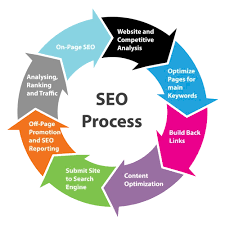
SEO as a Marketing Strategy: Building Visibility That Lasts
Search engine optimization (SEO) is the practice of improving a website so that it can be found more easily in unpaid search results. As a marketing strategy, SEO helps businesses connect with people who are already looking for information, products, or services related to what they offer.
Unlike a short-term campaign that stops when its budget runs out, SEO can build lasting visibility over time. It works best as part of a broader marketing plan—one that combines useful content, a strong website experience, and a clear understanding of customer needs.
Why SEO Matters
Search engines are often where people begin researching a problem or comparing options. Appearing in relevant search results can introduce a business to potential customers at the moment they need an answer. SEO can also help a company:
- Attract qualified visitors who are actively searching for related topics
- Build credibility by providing helpful, trustworthy information
- Reach customers throughout the buying journey, from early research to purchase
- Support other marketing channels, including email, social media, and paid advertising
- Generate traffic over time without paying for every individual click
SEO is not a guaranteed shortcut to the top of search results. Rankings depend on many factors, and meaningful progress usually takes time. Its value comes from consistently making a website more relevant, useful, and accessible to both people and search engines.
The Main Elements of an SEO Strategy
Understand Your Audience and Goals
Effective SEO starts with knowing whom you want to reach and what you want those visitors to do. A local service business may want more calls and appointment requests, while an online retailer may focus on product sales. Clear goals help guide keyword research, content planning, and measurement.
Consider the questions customers ask, the problems they need to solve, and the information they look for before making a decision. These insights can reveal opportunities to create genuinely useful pages.
Research Search Terms
Keyword research helps identify the words and phrases people use when searching. It should go beyond collecting high-volume terms. A good strategy also considers relevance, competition, and the searcher’s intent.
For example, someone searching for “what is home insulation” may want an explanation, while someone searching for “home insulation contractor near me” may be ready to contact a provider. Both searches can matter, but they call for different content.
Use research to understand topics and language—not to force exact phrases into every paragraph. Content should read naturally and answer the searcher’s question.
Create Helpful, Reliable Content
Content is central to SEO because it gives search engines information to understand and gives visitors a reason to stay. Useful content may include service pages, product descriptions, guides, frequently asked questions, case studies, and local landing pages.
Strong content is accurate, clear, and written for people. It should address a real need, provide enough detail to be useful, and make the next step easy to understand. Regular publishing can support a strategy, but quality and relevance matter more than posting frequently for its own sake.
Improve On-Page SEO
On-page SEO helps clarify what each page is about. Important elements include:
- Descriptive page titles and headings
- Clear, concise page URLs
- Useful meta descriptions that encourage relevant clicks
- Internal links that connect related pages
- Descriptive image alt text where images convey information
- Content organized with readable paragraphs and meaningful subheadings
These elements should accurately represent the page and make it easier to use. They are not a substitute for valuable content or a well-designed website.
Address Technical SEO
Technical SEO focuses on whether search engines can access, understand, and index a website. It also overlaps with the experience visitors have on the site. Common areas to review include mobile usability, page speed, secure connections, broken links, duplicate pages, and site structure.
A technically sound website makes it easier for visitors to find information and complete actions. Routine checks can help catch issues before they interfere with traffic or conversions.
Build Local Visibility When It Matters
Businesses that serve a specific area can benefit from local SEO. This may include keeping business name, address, and phone information accurate across online listings; maintaining a complete business profile on relevant platforms; and creating pages that clearly explain local services.
Customer reviews can also influence trust and help people compare providers. Businesses should invite honest feedback and respond professionally, without offering rewards in exchange for positive reviews.
How to Measure SEO Performance
Rankings can be useful to monitor, but they do not tell the whole story. A stronger measurement plan connects SEO activity to business outcomes. Depending on the organization’s goals, useful metrics may include:
- Organic search visits to important pages
- Qualified leads, sales, bookings, or other conversions
- Conversion rate from organic visitors
- Visibility for relevant search topics
- Engagement with key content
- Local actions, such as calls or direction requests
Use analytics and search performance tools to establish a baseline, monitor changes, and identify pages that need attention. Results should be interpreted in context: seasonality, website updates, competition, and changes in customer demand can all affect performance.
Common SEO Mistakes to Avoid
- Expecting instant results: SEO often takes months of sustained work, and timelines vary by site and market.
- Writing only for search engines: Unnatural, repetitive content can frustrate readers and weaken trust.
- Targeting broad terms without a plan: Highly competitive keywords may not attract the visitors most likely to become customers.
- Ignoring the website experience: Traffic has limited value if pages are confusing, slow, or difficult to use on a phone.
- Measuring rankings alone: Visibility matters, but the goal is to support meaningful business outcomes.
- Using shortcuts that violate search guidelines: Manipulative tactics may put a site’s reputation and visibility at risk.
Making SEO Part of Your Marketing Plan
SEO is most effective when it supports the rest of a company’s marketing. Insights from customer service, sales conversations, paid campaigns, and social media can reveal topics worth addressing. In turn, organic search data can show what questions people ask and which pages help them take action.
A practical approach is to begin with a website and content review, choose a focused set of priorities, and make improvements consistently. That may mean refreshing an important service page, fixing a technical issue, or publishing a guide that answers a common customer question. Track the results and use what you learn to shape the next round of work.
Conclusion
SEO is a long-term marketing strategy for earning visibility by being relevant and useful. It brings together audience research, quality content, technical improvements, and thoughtful measurement. When these efforts align with real customer needs and clear business goals, SEO can help a company build trust, attract qualified visitors, and create a stronger foundation for sustainable growth.
5 Key Benefits of SEO as a Marketing Strategy
- Attracts people actively searching for your offerings
- Builds long-term visibility in search results
- Can lower reliance on paid advertising
- Establishes credibility with helpful content
- Supports measurable business growth
7 Drawbacks of SEO as a Marketing Strategy
- SEO results can take months to appear.
- Search rankings can change without warning.
- Competition for popular keywords can be intense.
- Ongoing optimization requires time and resources.
- Traffic does not always convert into customers.
- Algorithm updates can affect visibility.
- Measuring SEO’s direct impact can be difficult.
Attracts people actively searching for your offerings
One of SEO’s biggest advantages is its ability to attract people who are already searching for products, services, or information your business provides. By creating helpful content and optimizing your website for relevant search terms, you can reach potential customers when they’re actively exploring a need or comparing options. This intent-driven traffic is more likely to engage with your business and take meaningful next steps, such as requesting a quote, making a purchase, or scheduling a consultation.
Builds long-term visibility in search results
One of the biggest advantages of SEO is its ability to build long-term visibility in search results. By creating useful content and improving your website over time, your business can continue to attract people searching for relevant products or services—even after a specific campaign ends. While strong rankings take consistent effort and aren’t guaranteed, a well-maintained SEO strategy can help your brand stay discoverable and earn organic traffic over the long term.
Can lower reliance on paid advertising
SEO can lower a business’s reliance on paid advertising by helping its website earn visibility in organic search results. As useful content and well-optimized pages gain traction, they can attract relevant visitors without requiring payment for every click. This can diversify traffic sources and make marketing less dependent on ongoing ad spend. SEO takes time and does not replace paid campaigns in every situation, but it can provide a valuable source of visitors over the long term.
Establishes credibility with helpful content
SEO can help establish credibility by making a business’s helpful, accurate content easier to find. When a website answers common questions, explains products or services clearly, and offers practical guidance, it shows potential customers that the business understands their needs. Over time, consistently useful content can build trust, strengthen a company’s reputation, and help people feel more confident choosing its products or services.
Supports measurable business growth
SEO supports measurable business growth by connecting marketing efforts to outcomes such as qualified website visits, leads, sales, and bookings. Businesses can track which search queries and pages attract potential customers, see how visitors move through the site, and identify where improvements could increase conversions. Over time, these insights help teams focus on the SEO activities that contribute most to business goals and make more informed marketing decisions.
SEO results can take months to appear.
One drawback of SEO as a marketing strategy is that results can take months to appear. Search engines need time to discover and evaluate website updates, while established competitors may already have strong visibility and authority. This delay can be challenging for businesses that need leads or sales quickly, especially when investing in content, technical improvements, or professional support before seeing a measurable return. For that reason, SEO is often best paired with shorter-term tactics, such as paid advertising, while its long-term benefits develop.
Search rankings can change without warning.
One challenge of SEO as a marketing strategy is that search rankings can change without warning. Search engines regularly update how they evaluate and display websites, while competitors and shifts in user behavior can also affect visibility. A page that brings in steady traffic today may lose position later, making it harder to predict results and plan around organic search alone. Businesses can reduce this risk by monitoring performance, keeping content useful and up to date, and diversifying their marketing channels.
Competition for popular keywords can be intense.
One drawback of SEO as a marketing strategy is the intense competition for popular keywords. Established brands and businesses with larger budgets may already dominate search results, making it difficult for newer or smaller companies to gain visibility. Competing for these terms can require significant time, high-quality content, and ongoing optimization, with no guarantee of reaching the top positions. Businesses may get better results by focusing on more specific, less competitive searches that closely match their audience’s needs.
Ongoing optimization requires time and resources.
One drawback of SEO as a marketing strategy is that it requires ongoing time and resources. Search trends, competitors, and search engine guidelines change, so businesses need to regularly review performance, update content, fix technical issues, and refine their approach. These tasks may require dedicated staff, specialized tools, or outside expertise, and results often take time to appear. For organizations with limited budgets or personnel, maintaining consistent SEO efforts can be challenging.
Traffic does not always convert into customers.
SEO can bring more visitors to a website, but traffic alone does not guarantee sales or leads. Some people may be looking for general information, while others may not be ready to buy or may not fit the business’s target audience. Even well-qualified visitors might leave if the website is confusing, the offer is unclear, or the next step is difficult to find. For this reason, businesses should measure conversions—not just visits—and make sure their content, landing pages, and calls to action guide the right visitors toward taking action.
Algorithm updates can affect visibility.
Algorithm updates can affect how search engines rank websites, which means a business’s visibility may rise or fall even when its content and website have not changed. A drop in rankings can reduce organic traffic and potential leads, so SEO results are never completely within a company’s control. Businesses can limit the risk by focusing on helpful, trustworthy content, maintaining a technically sound website, and avoiding tactics designed to manipulate search rankings.
Measuring SEO’s direct impact can be difficult.
Measuring SEO’s direct impact can be difficult because customers often interact with several marketing channels before taking action. Someone might discover a business through a search, return later through an email or social media link, and then make a purchase after a referral. As a result, analytics may not show SEO’s full contribution, and changes in rankings or organic traffic do not always translate directly into revenue. Businesses can get a clearer picture by tracking conversions, using consistent attribution methods, and evaluating SEO alongside other marketing efforts.