
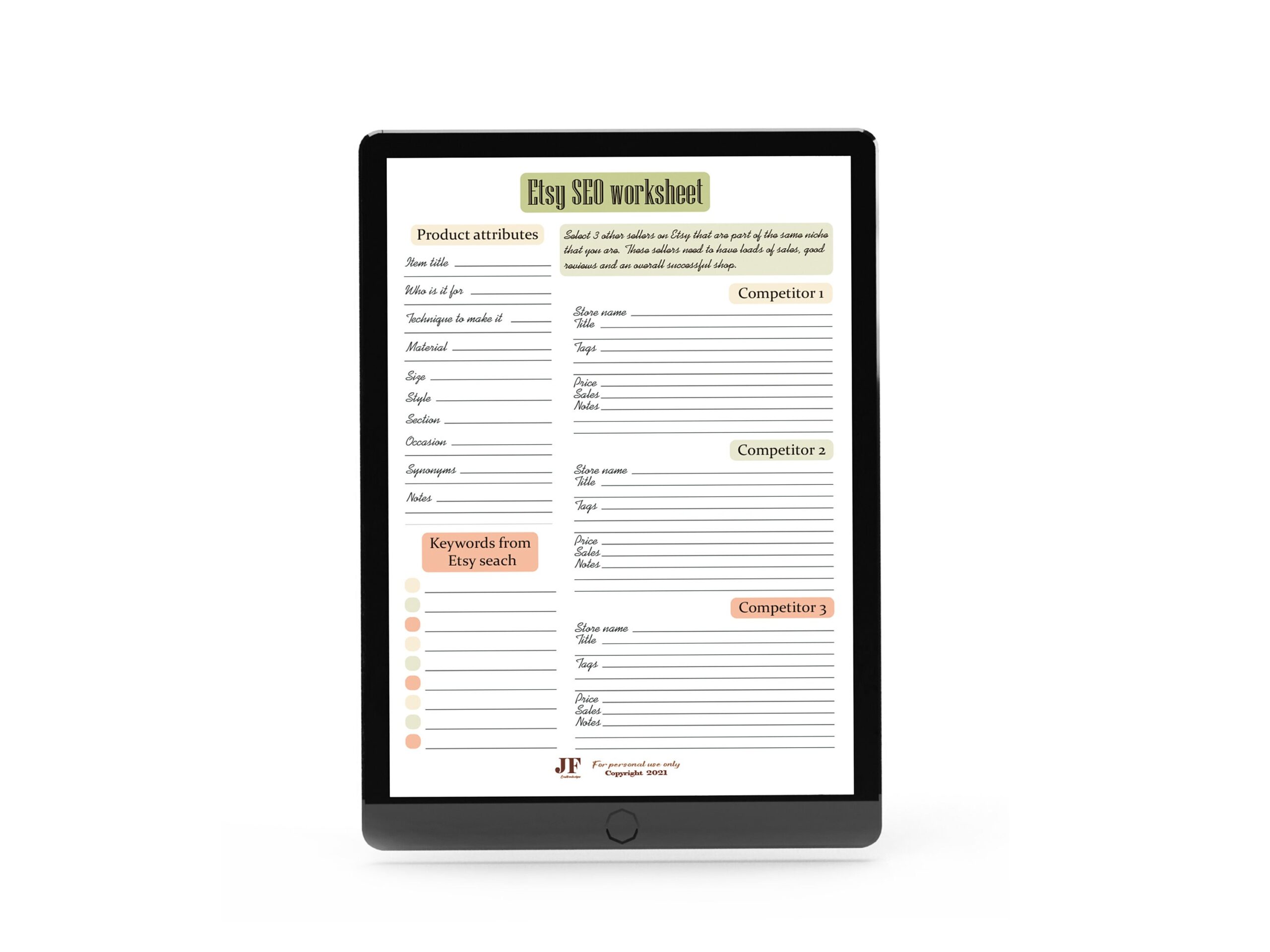
Etsy SEO in 2021: How to Help Shoppers Find Your Listings
In 2021, strong Etsy search engine optimization (SEO) meant making it easy for Etsy’s search system—and potential customers—to understand what a product was and who might want to buy it. Effective optimization wasn’t about repeating the same keyword as many times as possible. It was about using relevant search terms, completing listing details, and creating a shopping experience that encouraged customers to click and buy.
Etsy’s search system can change over time, so no checklist can guarantee a top placement. But the following practices helped sellers build clearer, more discoverable listings in 2021.
Understand How Etsy Search Worked
Etsy search generally had two important stages: matching and ranking. First, Etsy looked for listings that matched a shopper’s query. Then it ordered eligible results using a range of factors, including relevance and signals related to listing and shop performance.
That made the words and details in a listing important—but they were only part of the picture. A relevant listing also needed to appeal to shoppers and provide a reliable buying experience.
Research Keywords Before Writing a Listing
Start by thinking about the phrases a real customer might type into Etsy. Consider the product’s material, style, color, intended recipient, occasion, and use. For example, someone shopping for a gift might search for “personalized leather keychain” rather than simply “keychain.”
Useful ways to find keyword ideas included:
- Typing a product phrase into Etsy’s search bar and reviewing autocomplete suggestions.
- Looking at the wording used in relevant categories and attributes.
- Reviewing customer questions and feedback for the terms buyers use.
- Comparing similar listings to identify useful details—not to copy another seller’s text.
Specific, multiword phrases can help a listing reach shoppers with a clearer idea of what they want. Choose phrases that accurately describe the item, rather than targeting popular terms that don’t fit.
Make the Most of Your Title
Put the most important description of the product near the beginning of the title. A clear title can tell shoppers what the item is before they click, while also giving Etsy useful information about the listing.
For example, a seller might use a title such as “Personalized Leather Keychain, Custom Initial Key Ring, Gift for Dad.” The exact wording should reflect the item and the phrases customers are likely to use.
Avoid turning the title into a jumble of repeated keywords. Read it aloud: if it sounds confusing or unnatural, simplify it. Clarity helps shoppers decide whether the listing matches what they’re looking for.
Use All 13 Tags Thoughtfully
Etsy listings allowed sellers to add up to 13 tags. Use the available tags to describe different relevant aspects of the product, such as its style, material, audience, occasion, or intended use.
Whenever possible, use natural multiword phrases instead of splitting every phrase into isolated words. For example, “linen table runner” may describe a product more precisely than using separate tags for “linen,” “table,” and “runner.” Avoid repeating the same phrase across tags without a reason, and don’t add misleading terms just to attract more searches.
Complete Categories and Attributes
Choose the most specific accurate category for the item. Categories and attributes can help Etsy understand what a product is and may give shoppers additional ways to find it through filters.
Fill in every relevant attribute Etsy provides, such as color, material, size, or occasion. These details should agree with the product and with the information in the title and description. Accurate, consistent details make a listing easier to understand.
Write Descriptions for People
Descriptions are an opportunity to answer questions and set clear expectations. Explain what the item is, how it’s made, what options are available, and what the buyer will receive. Include important details such as dimensions, materials, personalization instructions, care information, and processing time.
Use natural language rather than repeating keywords for the sake of repetition. A well-written description supports the buying decision and can reduce confusion after purchase.
Improve the Listing Experience
Search visibility is only useful if shoppers feel confident enough to click and buy. Use clear, well-lit photos that show the product from useful angles. Include close-ups or scale references when they help explain the item. Choose a main image that makes the product easy to recognize in search results.
Keep pricing, shipping costs, processing times, and personalization details straightforward. Before publishing, check the listing as if seeing it for the first time: Is the product obvious? Are the options clear? Does the buyer know what happens after placing an order?
Build a Reliable Shop
A complete, dependable shop can help establish trust with shoppers. Keep shop policies up to date, answer customer messages professionally, and make a consistent effort to ship orders on time. Positive customer experiences can encourage reviews and repeat purchases, while clear communication helps set realistic expectations.
In 2021, sellers also needed to pay attention to shipping costs and delivery information. Etsy had emphasized the importance of shipping price in the shopping experience, so it was worth reviewing shipping settings and considering how the total cost appeared to customers. Any shipping offer should still make sense for the business.
Review Results and Make Changes Carefully
SEO is an ongoing process. Check Etsy Shop Stats to see which search terms bring visitors and which listings receive attention. If a listing gets views but few clicks, its main image or title may need work. If it gets clicks but few sales, review the price, product details, shipping information, and overall presentation.
Change one or two elements at a time when possible, then give the listing time to gather useful data. Avoid making frequent, sweeping edits based on short-term fluctuations.
Common Etsy SEO Mistakes to Avoid
- Using popular keywords that don’t accurately describe the product.
- Repeating the same phrase unnaturally in titles and tags.
- Leaving relevant attributes or listing details blank.
- Writing titles that are difficult for shoppers to understand.
- Ignoring photos, shipping information, or customer questions.
- Expecting SEO changes to produce immediate or guaranteed results.
The Takeaway
Etsy SEO in 2021 came down to relevance, clarity, and trust. Research the language shoppers use, choose accurate keywords, complete every relevant listing field, and make each product page helpful to a person considering a purchase. Then use shop data to refine your approach over time.
Top 7 FAQs About Etsy SEO in 2021: Success Tips and Market Insights
- How long does it take for SEO to work on Etsy?
- Why are so many sellers leaving Etsy?
- Does SEO work on Etsy?
- Who is the #1 seller on Etsy?
- How do I maximize SEO on Etsy?
- Did Etsy change the algorithm in 2025?
- Can you make $10,000 a month on Etsy?
How long does it take for SEO to work on Etsy?
Etsy SEO usually takes time to show results. After updating a listing, allow several weeks to see how it performs, since Etsy needs time to process changes and gather shopper activity. The timeline can vary based on competition, search demand, listing quality, and your shop’s history, so there’s no guaranteed date for improved visibility. Track impressions, clicks, and sales in Etsy Shop Stats, and make thoughtful adjustments rather than changing everything at once.
Why are so many sellers leaving Etsy?
Some sellers leave Etsy because rising fees, increased competition, changing search visibility, and limited control over the marketplace make it harder to earn a sustainable profit. Others want more control over their branding, customer relationships, and business policies, so they move to independent websites or sell across multiple platforms. The reasons vary, though: Etsy still offers access to a large pool of shoppers, and many sellers choose to stay while adjusting prices, improving their SEO, or diversifying where they sell.
Does SEO work on Etsy?
Yes, SEO can work on Etsy by helping the platform understand what your products are and matching your listings with relevant shopper searches. Clear titles, accurate tags, complete categories and attributes, and helpful descriptions can improve a listing’s chances of being discovered. SEO doesn’t guarantee a top spot or instant sales, though—photos, pricing, shipping details, competition, and the overall customer experience also matter. Review your shop’s performance and update listings thoughtfully as you learn what shoppers respond to.
Who is the #1 seller on Etsy?
There isn’t one permanent “#1 seller” on Etsy: rankings can vary depending on what’s measured, such as total sales, current sales, or a particular category, and Etsy doesn’t maintain a single official leaderboard for all shops. Seller performance also changes over time, so lists naming the top shop may be based on estimates or a specific date. For Etsy SEO in 2021, it was more useful to study successful shops in your niche for ideas—such as clear titles, relevant tags, strong photos, and helpful listing details—than to focus on identifying one overall top seller.
How do I maximize SEO on Etsy?
To maximize SEO on Etsy, use accurate, specific keywords that match the words shoppers are likely to search for. Place your most important phrase naturally near the beginning of your title, use all 13 tags for relevant variations, and choose the most specific category and attributes available. Write clear descriptions that explain the product and its features, add high-quality photos, and keep pricing, shipping details, and shop policies easy to understand. Review Etsy Shop Stats regularly to see which searches bring visitors, then make thoughtful updates—without expecting any single tactic to guarantee a higher ranking.
Did Etsy change the algorithm in 2025?
Etsy may have adjusted its search system during 2025, as it does over time, but it doesn’t publicly disclose every change or provide a complete formula for ranking listings. Rather than focusing on rumors about a single algorithm update, sellers should keep listings accurate and relevant, use clear titles and all appropriate tags and attributes, and provide a strong customer experience. Check Etsy’s official Seller Handbook and your Shop Stats for current guidance and clues about how shoppers find your products.
Can you make $10,000 a month on Etsy?
Yes, it’s possible to make $10,000 a month in sales on Etsy, but it isn’t typical or guaranteed—and sales are not the same as profit. Your results depend on factors such as product demand, pricing, production costs, fees, shipping, competition, and how effectively you market your shop. To work toward that goal, research your niche, optimize listings with accurate keywords, create appealing product photos, and track which products convert. Treat Etsy SEO as an ongoing process, and set realistic targets based on your margins and capacity.