
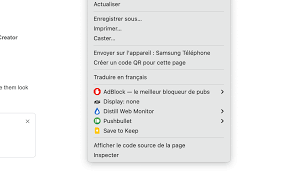
The Impact of Using “display: none” on SEO
When it comes to optimizing websites for search engines, web developers often use CSS properties like “display: none” to hide certain elements from users while still keeping them in the code. However, the practice of using “display: none” can have significant implications for SEO and may affect a website’s search engine rankings.
Search engines like Google aim to provide users with the most relevant and high-quality content in their search results. When web developers use “display: none” to hide text or links on a webpage, they may be attempting to manipulate search engine algorithms by including keywords or links that are not visible to users. This practice is known as cloaking and is considered a violation of Google’s Webmaster Guidelines.
Google’s algorithms are sophisticated and can detect hidden text or links using CSS properties like “display: none.” Websites that engage in cloaking may face penalties, including lower rankings in search results or even removal from the search index altogether.
It’s important for web developers and SEO professionals to understand that hiding content with “display: none” can have negative consequences for a website’s SEO performance. Instead of trying to manipulate search engines, it’s best to focus on creating high-quality, user-friendly content that provides value to visitors.
In conclusion, while using CSS properties like “display: none” can be useful for styling and layout purposes, it should be used judiciously and with caution when it comes to SEO. Transparency and honesty in presenting content not only help maintain a website’s integrity but also contribute positively to its search engine visibility and rankings.
Key FAQs About ‘Display: None’ and Its Impact on SEO
- What is ‘display
- How does using ‘display
- Is it recommended to hide content with ‘display
- What are the consequences of using ‘display
- Can search engines detect hidden content with ‘display
- What are some best practices for using ‘display
What is ‘display
“Display: none” is a CSS property commonly used in web development to hide elements from being visible on a webpage. While it can be useful for styling purposes, its impact on SEO is a frequently asked question. When content is hidden using “display: none,” search engines may interpret this as an attempt to manipulate rankings by including keywords or links that are not visible to users. This practice, known as cloaking, goes against search engine guidelines and can result in penalties such as lower search rankings or removal from search results. It’s important for web developers and SEO professionals to carefully consider the implications of using “display: none” and prioritize creating transparent and user-friendly content for optimal SEO performance.
How does using ‘display
“Using ‘display: none’ in CSS can impact SEO by potentially hiding important content from search engines, leading to penalties for cloaking. It is crucial to avoid using ‘display: none’ to manipulate search engine algorithms and instead focus on creating valuable, visible content that enhances user experience and aligns with SEO best practices. Transparency and honesty in presenting content are key to maintaining a website’s credibility and optimizing its search engine performance.”
Is it recommended to hide content with ‘display
When considering whether to hide content using the ‘display: none’ CSS property for SEO purposes, it is important to proceed with caution. While there may be valid reasons for temporarily hiding certain elements on a webpage, such as dropdown menus or pop-up notifications, using ‘display: none’ to conceal text or links solely for SEO manipulation can have detrimental effects on a website’s search engine rankings. Search engines like Google prioritize user experience and penalize tactics like cloaking, where content is hidden from users but visible to search engine crawlers. It is advisable to focus on creating valuable and relevant content that enhances the user experience rather than resorting to deceptive practices that could harm your site’s SEO performance in the long run.
What are the consequences of using ‘display
When considering the consequences of using ‘display: none’ in SEO, it’s crucial to understand that search engines like Google prioritize user experience and transparency. Employing ‘display: none’ to hide content with the intent of manipulating search rankings can lead to penalties, including lowered visibility in search results or even removal from the index. Such practices, known as cloaking, violate search engine guidelines and compromise the integrity of a website. It is essential for web developers and SEO professionals to prioritize ethical strategies that focus on providing valuable content for users rather than attempting to deceive search algorithms through hidden elements. By adhering to best practices and emphasizing user-centric content, websites can maintain their credibility and improve their SEO performance in the long run.
Can search engines detect hidden content with ‘display
Search engines have the capability to detect hidden content using CSS properties like “display: none.” While web developers may use this technique to hide certain elements from users while keeping them in the code, search engines are increasingly adept at identifying such practices. Engaging in cloaking by hiding content with “display: none” can lead to penalties from search engines, impacting a website’s SEO performance. It is essential for website owners and developers to prioritize transparency and user experience, ensuring that all content is visible and valuable to both visitors and search engine crawlers for optimal SEO results.
What are some best practices for using ‘display
When considering the use of “display: none” in SEO, it is crucial to adhere to best practices to ensure compliance with search engine guidelines and maintain a positive impact on website rankings. One key best practice is to only hide content using “display: none” for legitimate reasons, such as improving user experience or accessibility. It is essential to avoid cloaking tactics that involve hiding keywords or links solely for the purpose of manipulating search engine results. Additionally, web developers should regularly review and update their websites to ensure that hidden content remains relevant and valuable to users. By following these best practices, websites can leverage “display: none” effectively without risking negative consequences for their SEO efforts.