
The Ins and Outs of PBN SEO: What You Need to Know
Private Blog Networks, commonly known as PBNs, have been a hot topic in the realm of SEO for quite some time. These networks consist of a group of websites that are used to create backlinks to a target site in order to improve its search engine ranking. While PBNs can be an effective SEO strategy when used correctly, they also come with risks and challenges that every website owner should be aware of.
How PBN SEO Works
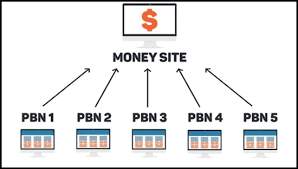
The basic premise behind PBN SEO is to leverage the authority and credibility of multiple websites within the network to boost the ranking of a target site. By creating backlinks from these sites to the main site, webmasters aim to signal to search engines that the target site is popular and trustworthy, thus improving its visibility in search results.
The Pros and Cons
One of the main advantages of using a PBN is the ability to have full control over the backlinks pointing to your site. This can be especially useful for niche sites or businesses looking for a quick SEO boost. However, it’s essential to note that search engines like Google are constantly updating their algorithms to detect and penalize manipulative link-building tactics, including those associated with PBNs.
Risks and Best Practices
Engaging in PBN SEO comes with inherent risks, including potential penalties from search engines that can severely impact your website’s visibility. To mitigate these risks, it’s crucial to adhere to best practices such as ensuring that all content on your network sites is high-quality and relevant, varying anchor text in backlinks, and avoiding excessive linking between sites within the network.
Conclusion
While PBN SEO can offer short-term benefits in terms of improved search rankings, it is not without its pitfalls. Website owners considering this strategy should proceed with caution and always prioritize long-term sustainability over quick gains. By staying informed about current SEO trends and guidelines, you can make informed decisions about whether or not PBNs are the right approach for your digital marketing efforts.
5 Key Advantages of Using PBN SEO for Effective Link Building
- 1. Full control over backlinks
- 2. Ability to target specific niches
- 3. Potential for quick SEO improvements
- 4. Flexibility in link-building strategies
- 5. Cost-effective compared to other SEO methods
Six Drawbacks of Using PBNs for SEO: Risks, Credibility Issues, and Management Challenges
- Risk of search engine penalties for using manipulative link-building tactics
- Potential decrease in website credibility and trustworthiness
- Difficulty in maintaining high-quality content across multiple network sites
- Time-consuming and resource-intensive to manage a PBN effectively
- Limited scalability due to the finite number of authoritative domains that can be included in the network
- Constant monitoring required to ensure that all network sites are not deindexed or penalized
1. Full control over backlinks
One significant advantage of utilizing PBN SEO is the ability to exercise full control over backlinks pointing to your website. With a private blog network, you have the autonomy to strategically place backlinks on various sites within the network, ensuring they align with your SEO goals and target keywords. This level of control allows you to tailor your backlink profile to enhance your website’s authority and relevance in search engine rankings, ultimately contributing to improved visibility and organic traffic.
2. Ability to target specific niches
One significant advantage of PBN SEO is its ability to target specific niches effectively. By creating a network of websites that cater to a particular industry or topic, website owners can tailor their backlink strategies to reach a highly targeted audience. This focused approach allows for more relevant and meaningful connections between sites, increasing the likelihood of attracting qualified traffic and improving search engine rankings within that niche.
3. Potential for quick SEO improvements
One significant advantage of utilizing PBN SEO is the potential for quick SEO improvements. By strategically creating backlinks from authoritative sites within the network to the target site, website owners can expedite the process of enhancing their search engine rankings. This rapid improvement in visibility can be particularly beneficial for businesses looking to boost their online presence and attract more organic traffic in a shorter timeframe. However, it is crucial to approach this strategy with caution and adhere to best practices to ensure long-term success and avoid potential penalties from search engines.
4. Flexibility in link-building strategies
One of the key advantages of PBN SEO is the flexibility it offers in link-building strategies. With a private blog network, website owners have the freedom to control the anchor text, placement, and frequency of backlinks pointing to their target site. This level of customization allows for a more strategic approach to link building, enabling webmasters to adapt their tactics based on evolving SEO trends and algorithm updates. By being able to tailor their link-building strategies within the network, businesses can optimize their SEO efforts for maximum impact and visibility in search engine results.
5. Cost-effective compared to other SEO methods
One significant advantage of PBN SEO is its cost-effectiveness compared to other SEO methods. Building and maintaining a private blog network can be a more affordable option for website owners looking to improve their search engine rankings. Instead of investing in expensive outreach campaigns or paid advertising, leveraging a PBN allows for greater control over backlinks at a lower cost. This makes PBN SEO an attractive choice for businesses operating on limited budgets while still aiming to enhance their online visibility and organic traffic.
Risk of search engine penalties for using manipulative link-building tactics
One significant con of PBN SEO is the high risk of incurring search engine penalties due to the use of manipulative link-building tactics. Search engines like Google are constantly refining their algorithms to detect and penalize websites that engage in unnatural link schemes, including those associated with private blog networks. These penalties can have severe consequences, leading to a drop in search rankings or even complete deindexing from search results. Website owners must be aware of the potential repercussions of using PBNs for link building and carefully consider whether the short-term benefits outweigh the long-term risks associated with such tactics.
Potential decrease in website credibility and trustworthiness
One significant con of PBN SEO is the potential decrease in website credibility and trustworthiness. When a website is found to be associated with a private blog network, it can raise red flags for both search engines and users. Search engines may penalize the site for engaging in manipulative link-building practices, leading to a drop in search rankings. Moreover, visitors who discover the connection between the site and a PBN may question the authenticity and reliability of the content, undermining the trust that is essential for building a loyal audience. In an era where transparency and authenticity are valued more than ever, compromising website credibility through PBN SEO can have long-lasting negative consequences.
Difficulty in maintaining high-quality content across multiple network sites
One significant drawback of utilizing a Private Blog Network (PBN) for SEO is the challenge of maintaining high-quality content consistently across multiple network sites. As website owners add more sites to their PBN to increase backlinks, ensuring that each site offers valuable, relevant, and unique content becomes increasingly demanding. This difficulty can lead to a decline in content quality, potentially harming the credibility and effectiveness of the entire network in boosting search engine rankings. Keeping up with content creation and upkeep across numerous sites within a PBN requires significant time, effort, and resources, making it a considerable obstacle for those considering this SEO strategy.
Time-consuming and resource-intensive to manage a PBN effectively
Managing a Private Blog Network (PBN) effectively can be a daunting task due to its time-consuming and resource-intensive nature. Building and maintaining multiple websites within the network require constant attention to ensure that they remain active, relevant, and free of any issues that could trigger search engine penalties. From creating quality content for each site to monitoring backlinks and site performance, the demands of managing a PBN can quickly add up, making it a challenging endeavor for website owners looking to juggle multiple responsibilities in their digital marketing strategy.
Limited scalability due to the finite number of authoritative domains that can be included in the network
One significant drawback of PBN SEO is the limited scalability it presents due to the finite number of authoritative domains that can be included in the network. As the effectiveness of a PBN relies heavily on the quality and authority of the websites within it, there is a natural cap on how many high-quality domains can be feasibly incorporated. This limitation can hinder the ability to expand and diversify the network, ultimately restricting its potential impact and longevity in boosting search engine rankings. Website owners must carefully consider this constraint when evaluating the sustainability and long-term viability of utilizing a PBN for SEO purposes.
Constant monitoring required to ensure that all network sites are not deindexed or penalized
One significant drawback of using PBN SEO is the constant monitoring required to ensure that all network sites are not deindexed or penalized by search engines. As search engine algorithms become more sophisticated, they can easily detect patterns associated with private blog networks and penalize websites involved in such practices. This means that website owners utilizing PBNs must invest time and resources into regularly checking the status of all network sites, ensuring that they comply with search engine guidelines to avoid potential penalties that could harm their overall online presence.