
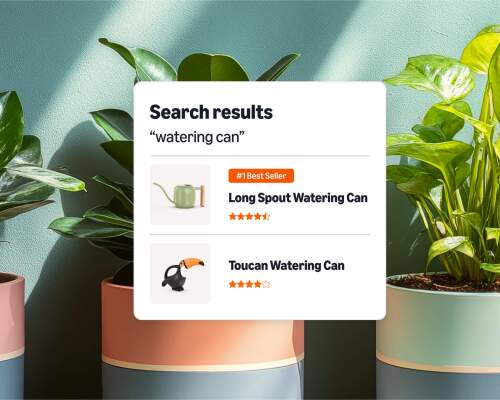
The Power of Self SEO: Taking Control of Your Online Presence
In the digital age, having a strong online presence is crucial for individuals and businesses alike. Search engine optimization (SEO) plays a significant role in determining how easily your website can be found by potential visitors. While many opt to hire professional SEO services, there is also a growing trend towards self SEO – taking matters into your own hands to optimize your online content.
Why Self SEO?
Self SEO allows you to have direct control over the optimization process of your website. By learning and implementing SEO best practices yourself, you can tailor your content to better suit your target audience and improve your search engine rankings. This hands-on approach gives you a deeper understanding of how SEO works and enables you to make real-time adjustments based on performance metrics.
Key Strategies for Self SEO
Keyword Research: Identify relevant keywords that align with your content and target audience. Use tools like Google Keyword Planner or SEMrush to discover popular search terms in your niche.
On-Page Optimization: Optimize your website’s meta tags, headings, and content with targeted keywords. Ensure that your site structure is user-friendly and easy for search engines to crawl.
Quality Content: Create high-quality, engaging content that provides value to your audience. Regularly update your website with fresh and relevant information to keep visitors coming back.
Link Building: Build backlinks from reputable websites to increase your site’s authority and credibility in the eyes of search engines.
The Benefits of Self SEO
Self SEO empowers you to take charge of your online presence without relying on external agencies or experts. It allows for greater flexibility in making changes and testing different strategies to see what works best for your website. Additionally, self SEO can be a cost-effective option for those looking to optimize their online content on a budget.
Get Started with Self SEO Today
If you’re ready to enhance your online visibility and attract more visitors to your website, consider delving into the world of self SEO. With dedication, patience, and a willingness to learn, you can unlock the full potential of your online presence and reach new heights in the digital landscape.
7 Essential SEO Tips for Boosting Your Website’s Visibility
- 1. Choose relevant keywords for your content.
- 2. Optimize your website’s meta tags, including title tags and meta descriptions.
- 3. Create high-quality and engaging content regularly.
- 4. Improve your website’s loading speed for better user experience.
- 5. Utilize internal linking to improve site navigation and SEO.
- 6. Optimize images on your website with descriptive filenames and alt text.
- 7. Monitor your website’s performance using tools like Google Analytics.
1. Choose relevant keywords for your content.
Selecting appropriate keywords for your content is a fundamental aspect of effective self SEO. By choosing relevant keywords that accurately reflect the topic of your content and match the search queries of your target audience, you can significantly improve your website’s visibility in search engine results. Conduct thorough keyword research to identify popular and high-ranking terms in your niche, and strategically integrate them into your content to enhance its searchability and relevance. Remember, choosing the right keywords is key to attracting organic traffic and increasing the overall success of your SEO efforts.
2. Optimize your website’s meta tags, including title tags and meta descriptions.
To enhance your website’s search engine visibility through self SEO, it is essential to optimize your meta tags, such as title tags and meta descriptions. Title tags provide a concise and relevant summary of each webpage’s content, helping search engines understand the context of your pages. Meta descriptions, on the other hand, offer a brief overview that entices users to click through to your site from search engine results. By crafting compelling and keyword-rich meta tags, you can improve your site’s click-through rate and overall search engine ranking.
3. Create high-quality and engaging content regularly.
Creating high-quality and engaging content regularly is a crucial aspect of self SEO. By consistently producing valuable and relevant content for your website, you not only provide value to your audience but also signal to search engines that your site is active and authoritative. Engaging content that resonates with your target audience can drive traffic, increase user engagement, and ultimately improve your search engine rankings. Remember, quality over quantity is key when it comes to content creation for effective self SEO strategies.
4. Improve your website’s loading speed for better user experience.
Improving your website’s loading speed is a crucial aspect of self SEO that directly impacts user experience. A fast-loading website not only enhances user satisfaction but also contributes to higher search engine rankings. By optimizing images, reducing unnecessary scripts, and leveraging caching techniques, you can create a smoother browsing experience for your visitors. Prioritizing loading speed demonstrates your commitment to providing quality content and ensures that users stay engaged with your site, ultimately leading to increased traffic and improved SEO performance.
5. Utilize internal linking to improve site navigation and SEO.
Internal linking is a powerful strategy in self SEO that can enhance both site navigation and search engine optimization. By strategically linking relevant pages within your website, you not only make it easier for visitors to explore different sections but also help search engines understand the structure and hierarchy of your content. This practice can improve user experience, increase the time users spend on your site, and boost your SEO rankings by indicating the importance of specific pages to search engines. Incorporating internal links thoughtfully can guide visitors to valuable resources, reduce bounce rates, and ultimately strengthen the overall performance of your website.
6. Optimize images on your website with descriptive filenames and alt text.
When practicing self SEO, it is essential to optimize images on your website by using descriptive filenames and alt text. Search engines rely on this information to understand the content of your images, which can improve your website’s visibility in image search results. By incorporating relevant keywords into your image filenames and alt text, you enhance the overall optimization of your site and provide a better user experience for visitors with visual impairments or slow internet connections.
7. Monitor your website’s performance using tools like Google Analytics.
Monitoring your website’s performance using tools like Google Analytics is a crucial aspect of effective self SEO. By tracking key metrics such as traffic sources, user behavior, and conversion rates, you gain valuable insights into how your website is performing and where improvements can be made. Analyzing this data allows you to make informed decisions to optimize your content and enhance the overall user experience, ultimately leading to better search engine rankings and increased visibility online.