
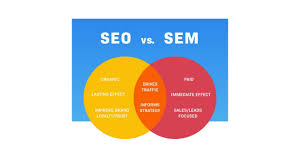
The Difference Between SEO, SEA, and SEM
Search Engine Optimization (SEO), Search Engine Advertising (SEA), and Search Engine Marketing (SEM) are all crucial components of a successful digital marketing strategy. While they are related, each plays a distinct role in driving traffic to your website and improving your online visibility.
SEO (Search Engine Optimization)
SEO focuses on optimizing your website to improve its organic search engine rankings. This involves creating high-quality content, optimizing meta tags and descriptions, building backlinks, and improving site speed. The goal of SEO is to increase your website’s visibility in search engine results pages (SERPs) for relevant keywords without having to pay for placement.
SEA (Search Engine Advertising)
SEA involves paying for advertisements to appear at the top of search engine results pages. These ads are typically marked as “sponsored” and appear based on the keywords you bid on. Platforms like Google Ads allow you to create targeted campaigns that reach specific audiences based on demographics, interests, and online behavior. SEA provides immediate visibility for your website but requires ongoing investment to maintain ad placement.
SEM (Search Engine Marketing)
SEM encompasses both SEO and SEA strategies to improve a website’s visibility in search engines. By combining organic optimization efforts with paid advertising campaigns, SEM aims to maximize a website’s presence in SERPs. A comprehensive SEM strategy considers factors such as keyword research, competitor analysis, ad performance tracking, and continual optimization to achieve optimal results.
In conclusion, while SEO focuses on organic growth through content optimization and backlink building, SEA offers immediate visibility through paid advertising placements. SEM combines the strengths of both approaches to create a holistic marketing strategy that drives traffic and improves conversion rates. Understanding the differences between SEO, SEA, and SEM is essential for crafting an effective digital marketing plan that aligns with your business goals.
Understanding SEO, SEA, and SEM: Answers to 9 Common Questions
- What is SEO and how does it work?
- How does SEA differ from SEO?
- What are the benefits of SEM for businesses?
- Is SEO a long-term or short-term strategy?
- How can I improve my website’s SEO ranking?
- What is the cost associated with SEA campaigns?
- Can SEM help increase website traffic and conversions?
- Are there any risks involved in relying solely on paid advertising (SEA)?
- How do keywords play a role in SEO, SEA, and SEM?
What is SEO and how does it work?
Search Engine Optimization (SEO) is a digital marketing strategy aimed at improving a website’s visibility in search engine results pages (SERPs) for specific keywords or phrases. SEO works by optimizing various elements of a website, such as content, meta tags, images, and site structure, to make it more attractive to search engines like Google. By following best practices and guidelines set by search engines, SEO helps websites rank higher in organic search results, driving more organic traffic and increasing the chances of reaching target audiences. The ultimate goal of SEO is to enhance a website’s relevance and authority in the eyes of search engines, leading to improved online visibility and better user experience.
How does SEA differ from SEO?
Search Engine Advertising (SEA) differs from Search Engine Optimization (SEO) in terms of their approach to driving website traffic. SEA involves paying for ads to appear at the top of search engine results pages, marked as “sponsored,” based on targeted keywords. This immediate visibility is achieved through paid placements, allowing businesses to reach specific audiences through strategic ad campaigns. On the other hand, SEO focuses on optimizing a website organically to improve its search engine rankings without direct payment for placement. By creating high-quality content, optimizing meta tags, and building backlinks, SEO aims to enhance a website’s visibility in search results over time through unpaid efforts. While SEA provides instant exposure through paid ads, SEO focuses on long-term sustainable growth through organic optimization strategies.
What are the benefits of SEM for businesses?
Search Engine Marketing (SEM) offers a range of benefits for businesses looking to enhance their online presence and reach a targeted audience. One key advantage of SEM is the ability to quickly increase visibility and drive traffic to a website through paid advertising campaigns. By strategically selecting keywords and demographics, businesses can target specific audiences and generate immediate results. Additionally, SEM provides valuable data insights that allow businesses to track performance metrics, analyze user behavior, and optimize campaigns for better ROI. With SEM, businesses can effectively reach potential customers at the right moment in their search journey, ultimately boosting brand awareness, leads, and conversions.
Is SEO a long-term or short-term strategy?
When considering whether SEO is a long-term or short-term strategy, it’s important to recognize that search engine optimization is primarily a long-term investment in your website’s visibility and organic traffic growth. While certain SEO tactics can yield quick results, such as optimizing meta tags or fixing technical issues, the full benefits of SEO often take time to materialize. Building high-quality content, earning backlinks, and improving overall site authority are processes that require ongoing effort and patience. Ultimately, SEO is most effective when viewed as a continuous strategy that steadily improves your website’s search engine rankings over time, leading to sustainable organic traffic and lasting online visibility.
How can I improve my website’s SEO ranking?
Improving your website’s SEO ranking involves a combination of strategic tactics aimed at enhancing your site’s visibility in search engine results. Start by conducting keyword research to identify relevant terms and phrases that your target audience is searching for. Optimize your website’s content, meta tags, and headings with these keywords to make it more search engine-friendly. Focus on creating high-quality, informative content that addresses the needs of your audience and encourages engagement. Additionally, building quality backlinks from reputable websites can boost your site’s authority and credibility in the eyes of search engines. Regularly monitoring and analyzing your website’s performance using tools like Google Analytics can help you track progress and make informed adjustments to further optimize your SEO efforts.
What is the cost associated with SEA campaigns?
When considering Search Engine Advertising (SEA) campaigns, the cost varies depending on several factors. The cost associated with SEA campaigns is primarily determined by the bidding strategy for keywords, competition levels for those keywords, ad relevance and quality score, and the overall budget allocated to the campaign. Additionally, factors such as targeting options, ad placements, and ad extensions can impact the cost of running SEA campaigns. It is essential for businesses to carefully plan and monitor their SEA budgets to ensure optimal performance and return on investment from their advertising efforts in search engine results pages.
Can SEM help increase website traffic and conversions?
When it comes to increasing website traffic and conversions, Search Engine Marketing (SEM) can indeed be a powerful tool. SEM combines the strategies of Search Engine Optimization (SEO) and Search Engine Advertising (SEA) to enhance a website’s visibility in search engine results pages. By utilizing targeted advertising campaigns and optimizing organic search efforts, SEM can drive relevant traffic to a website, ultimately leading to increased conversions. Through keyword research, ad performance tracking, and continual optimization, SEM can help businesses reach their target audience effectively and achieve their conversion goals.
Are there any risks involved in relying solely on paid advertising (SEA)?
Relying solely on paid advertising (SEA) poses certain risks for businesses that should be carefully considered. While SEA can provide immediate visibility and targeted traffic to a website, it requires ongoing financial investment to maintain ad placements. Dependence on paid advertising alone may lead to high advertising costs without guaranteed long-term results, as campaigns need to be continuously optimized to remain effective. Additionally, changes in search engine algorithms or competitive bidding could impact the performance and cost-effectiveness of SEA campaigns. Therefore, businesses should balance their marketing strategies by incorporating organic SEO efforts and other digital marketing tactics to mitigate the risks associated with relying exclusively on paid advertising.
How do keywords play a role in SEO, SEA, and SEM?
Keywords play a crucial role in SEO, SEA, and SEM by serving as the foundation for targeting specific audiences and improving search engine visibility. In SEO, keywords are strategically incorporated into website content, meta tags, and URLs to signal relevance to search engines. Effective keyword research helps identify terms that users are searching for, driving organic traffic to the site. In SEA, keywords are used to create targeted advertising campaigns that appear in search engine results based on user queries. By bidding on relevant keywords, businesses can ensure their ads reach the right audience at the right time. SEM combines these approaches by leveraging keywords in both organic and paid strategies to maximize visibility and drive conversions. Understanding how keywords influence SEO, SEA, and SEM is essential for optimizing digital marketing efforts and achieving online success.