
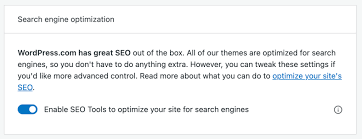
The Importance of SEO for WordPress Websites
Search Engine Optimization (SEO) is a crucial aspect of any successful online presence, and this holds especially true for WordPress websites. With millions of websites competing for attention on search engines like Google, implementing effective SEO strategies can make a significant difference in driving organic traffic to your WordPress site.
Why SEO Matters for WordPress
WordPress is a popular platform for building websites due to its user-friendly interface and customizable features. However, simply having a well-designed website is not enough to attract visitors. Without proper SEO, your site may struggle to rank high on search engine results pages (SERPs), making it difficult for potential customers to find you online.
Key SEO Strategies for WordPress
Optimizing your WordPress site for search engines involves various techniques, including:
- Keyword Research: Identifying relevant keywords that your target audience is searching for can help you create content that resonates with them.
- On-Page Optimization: Optimizing meta tags, headings, and content with targeted keywords can improve your site’s visibility to search engines.
- Quality Content: Publishing high-quality, engaging content regularly not only attracts visitors but also encourages other sites to link back to yours, boosting your site’s authority.
- Mobile-Friendliness: Ensuring that your WordPress site is responsive and mobile-friendly is crucial for both user experience and SEO rankings.
- Site Speed: A fast-loading website not only enhances user experience but also positively impacts your site’s ranking on search engines.
The Benefits of SEO for WordPress Websites
Implementing strong SEO practices on your WordPress site can lead to several benefits, including:
- Increase in Organic Traffic: By ranking higher on SERPs, you can attract more organic traffic to your website without relying solely on paid advertising.
- Better User Experience: Optimizing your site for search engines often results in an improved user experience, leading to higher engagement and lower bounce rates.
- Brand Visibility and Authority: Ranking well on search engines establishes credibility and authority in your industry, enhancing brand visibility and trust among users.
- Growth in Conversions: Targeted SEO strategies can drive qualified leads to your website, increasing the likelihood of conversions and sales.
In Conclusion
In today’s competitive online landscape, investing in SEO for your WordPress website is essential for long-term success. By implementing effective SEO strategies tailored to the unique needs of your business, you can improve visibility, attract quality traffic, and ultimately achieve your online goals.
Contact us today to learn how we can help optimize your WordPress site for improved search engine rankings and increased organic traffic!
6 Key Benefits of SEO for Your WordPress Site: Boost Visibility, Traffic, and Credibility
- Enhances visibility on search engines like Google
- Increases organic traffic to your WordPress website
- Improves user experience and site usability
- Builds credibility and authority in your industry
- Boosts brand awareness and online presence
- Drives targeted leads and potential customers to your site
6 Challenges of SEO for WordPress: Navigating Learning Curves, Time Investment, and More
- Steep Learning Curve
- Time-Consuming
- Plugin Dependency
- Competition
- Algorithm Changes
- Technical Issues
Enhances visibility on search engines like Google
Improving SEO for WordPress websites enhances visibility on search engines like Google by increasing the likelihood of appearing higher in search results. By optimizing keywords, meta tags, and content, a website becomes more relevant to search engine algorithms, making it easier for users to find the site when searching for related topics or products. This increased visibility not only drives more organic traffic to the website but also boosts brand awareness and credibility among users searching for specific information or solutions.
Increases organic traffic to your WordPress website
By implementing effective SEO strategies for your WordPress website, you can significantly boost organic traffic to your site. By optimizing your content, meta tags, and overall site structure, you increase the visibility of your website on search engine results pages (SERPs), making it easier for potential visitors to discover and engage with your content. This increase in organic traffic not only drives more qualified leads to your site but also enhances your online presence and authority in your industry.
Improves user experience and site usability
One significant advantage of implementing SEO for WordPress is its ability to enhance user experience and site usability. By optimizing your website for search engines, you are also improving its overall functionality and accessibility for visitors. From faster loading times to mobile responsiveness and intuitive navigation, SEO strategies not only attract more users but also ensure that they have a seamless and enjoyable experience while browsing your site. This focus on user-centric design not only benefits your SEO efforts but also fosters higher engagement, lower bounce rates, and ultimately leads to a more satisfied audience.
Builds credibility and authority in your industry
One of the key advantages of implementing SEO for WordPress is its ability to build credibility and authority in your industry. By optimizing your website to rank higher on search engine results pages, you demonstrate to potential customers and competitors alike that your business is a trusted source of information and expertise. This increased visibility not only enhances brand reputation but also establishes your organization as a leader in the industry, ultimately attracting more qualified leads and fostering long-term customer relationships.
Boosts brand awareness and online presence
Implementing SEO strategies for WordPress can significantly boost brand awareness and online presence. By optimizing your website for search engines, you increase the chances of your brand appearing in relevant search results, making it more visible to potential customers. This heightened visibility not only drives organic traffic to your site but also establishes your brand as an authoritative presence in your industry. With improved brand awareness and a stronger online presence, you can attract more visitors, build credibility, and ultimately enhance the success of your business in the digital realm.
Drives targeted leads and potential customers to your site
One of the key benefits of implementing SEO for WordPress is its ability to drive targeted leads and potential customers to your site. By optimizing your website with relevant keywords and high-quality content, you can attract users who are actively searching for products or services related to your business. This targeted approach not only increases the likelihood of converting visitors into customers but also helps you reach individuals who are more likely to engage with your brand, ultimately leading to higher conversion rates and business growth.
Steep Learning Curve
One significant drawback of SEO for WordPress is the steep learning curve it presents. Implementing effective SEO strategies on WordPress demands a comprehensive understanding of SEO principles, a task that can prove daunting for beginners. Navigating the complexities of keyword research, on-page optimization, and technical SEO can be overwhelming for those new to the field, potentially hindering their ability to maximize the full potential of their WordPress website in terms of search engine visibility and organic traffic growth.
Time-Consuming
One significant drawback of implementing SEO for WordPress is its time-consuming nature. Maintaining a strong SEO strategy for a WordPress website requires consistent updates, continuous content creation, and regular optimization efforts. This ongoing process demands a significant amount of time and dedication from website owners or digital marketers, as staying ahead in the ever-evolving landscape of search engine algorithms and user preferences can be quite labor-intensive. Despite its effectiveness in driving organic traffic and improving visibility, the time investment needed for successful SEO implementation on WordPress sites can be a challenging aspect for many businesses to manage effectively.
Plugin Dependency
One notable drawback of SEO for WordPress is the potential plugin dependency it can create. Although WordPress provides a range of SEO plugins to simplify optimization processes, over-reliance on these plugins may result in performance issues and compatibility conflicts. Relying too heavily on plugins can bloat your website, slow down loading times, and even lead to technical glitches that hinder your site’s overall performance and user experience. It is essential to strike a balance between utilizing SEO plugins for efficiency and ensuring that they do not compromise the functionality and speed of your WordPress site.
Competition
Competition is a significant drawback of utilizing SEO for WordPress websites. With millions of websites leveraging the WordPress platform, the competition to secure top search engine rankings is intense. This fierce competition necessitates consistent and ongoing efforts to outperform competitors and maintain a prominent position in search results. Staying ahead in this crowded digital landscape demands a strategic approach, regular optimization, and a deep understanding of evolving SEO trends to effectively navigate the competitive environment.
Algorithm Changes
One significant drawback of SEO for WordPress is the challenge posed by algorithm changes. Search engine algorithms are continuously evolving, requiring website owners to adjust their SEO strategies regularly to keep up with these updates. This constant need for adaptation can be time-consuming and demanding, as what may have worked well in the past may no longer be effective after an algorithm change. Staying informed about these updates and implementing necessary modifications to maintain visibility and rankings can be a complex and ongoing task for WordPress site owners.
Technical Issues
One significant drawback of SEO for WordPress is the management of technical issues. Tasks such as optimizing site speed, ensuring mobile responsiveness, and structuring URLs correctly can be intricate and time-consuming. Without proper expertise, navigating these technical aspects can be challenging and may lead to suboptimal results. Seeking professional assistance from experienced developers or SEO specialists becomes crucial to address these complexities effectively and ensure that your WordPress site is optimized for search engine visibility and user experience.