
The Power of Web Analytics in Digital Marketing
In the fast-paced world of digital marketing, data is king. Understanding the behavior of your website visitors is crucial for optimizing your online presence and maximizing your marketing efforts. This is where web analytics comes into play.
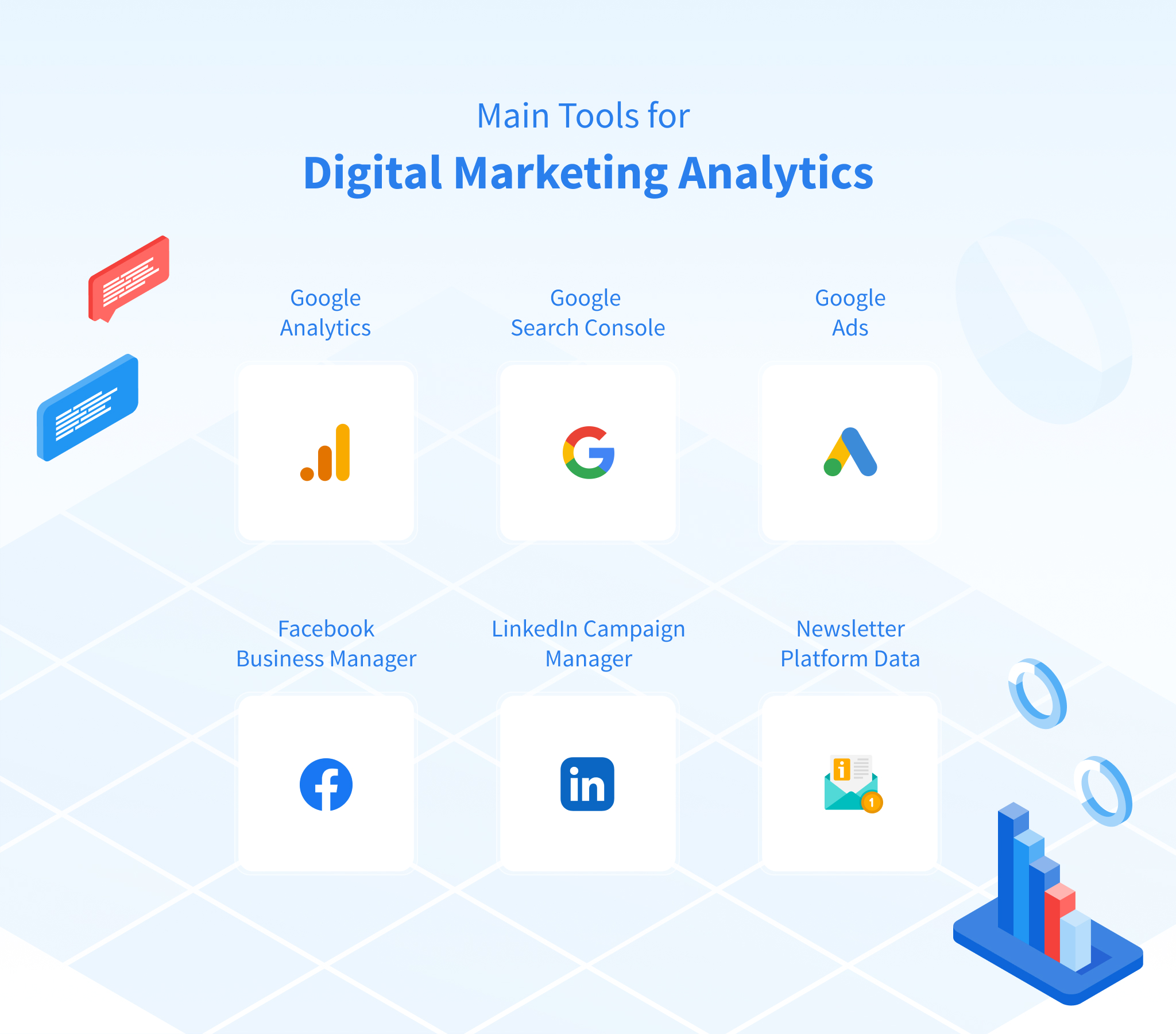
Web analytics involves the collection, measurement, and analysis of data related to your website and its visitors. By leveraging web analytics tools such as Google Analytics, marketers can gain valuable insights into how users interact with their site, which pages are most popular, where traffic is coming from, and much more.
Benefits of Web Analytics in Digital Marketing
Data-Driven Decision Making: Web analytics provides marketers with concrete data to make informed decisions about their digital marketing strategies. By analyzing user behavior and engagement metrics, marketers can identify areas for improvement and optimize their campaigns for better results.
Performance Tracking: With web analytics, marketers can track the performance of their website in real-time. They can monitor key metrics such as traffic sources, bounce rates, conversion rates, and more to gauge the effectiveness of their marketing efforts and make adjustments as needed.
Targeted Marketing: By understanding the demographics and interests of their website visitors through web analytics data, marketers can create targeted campaigns that are more likely to resonate with their audience. This leads to higher engagement rates and better ROI on marketing investments.
Implementing Web Analytics
To harness the power of web analytics in your digital marketing strategy, it’s essential to set up tracking tools on your website and define key performance indicators (KPIs) that align with your business goals. Regularly monitoring and analyzing the data provided by web analytics tools will help you make informed decisions and drive success in your online marketing initiatives.
In conclusion, web analytics is a vital component of any successful digital marketing strategy. By leveraging data-driven insights from web analytics tools, marketers can optimize their campaigns, improve user experience, and ultimately drive business growth in today’s competitive online landscape.
7 Key Benefits of Web Analytics for Boosting Digital Marketing Success
- Data-driven decision making
- Real-time performance tracking
- Improved targeting and personalization
- Enhanced user experience
- Optimized marketing campaigns
- Increased ROI on marketing investments
- Competitive advantage in the digital landscape
Navigating the Challenges of Web Analytics in Digital Marketing: Overcoming Data Overload, Privacy Issues, and More
- 1. Data Overload
- 2. Privacy Concerns
- 3. Implementation Complexity
- 4. Inaccurate Data
- 5. Costly Investment
Data-driven decision making
Data-driven decision making is a crucial advantage of web analytics in digital marketing. By utilizing data collected from website traffic, user interactions, and other key metrics, marketers can make informed decisions to optimize their strategies and campaigns. This approach allows for a deeper understanding of user behavior, preferences, and trends, enabling marketers to tailor their efforts for maximum impact and effectiveness. With data-driven insights at their disposal, marketers can pivot quickly, adjust tactics on the fly, and ultimately drive better results that align with their overall business objectives.
Real-time performance tracking
Real-time performance tracking is a significant advantage of web analytics in digital marketing. By utilizing web analytics tools, marketers can monitor the effectiveness of their campaigns instantly, allowing them to make timely adjustments and optimizations based on real-time data. This capability not only enables marketers to react promptly to changing trends and user behavior but also empowers them to maximize the impact of their marketing efforts for better results.
Improved targeting and personalization
Improved targeting and personalization is a significant benefit of web analytics in digital marketing. By analyzing user behavior and demographics, marketers can tailor their campaigns to specific audience segments, delivering personalized content that resonates with individual preferences and interests. This targeted approach not only enhances the user experience but also increases engagement and conversion rates. With web analytics insights, marketers can create more relevant and effective marketing strategies that drive results and foster stronger connections with their target audience.
Enhanced user experience
Enhanced user experience is a significant benefit of utilizing web analytics in digital marketing. By analyzing user behavior on a website, marketers can gain valuable insights into how visitors interact with the site, identify pain points or areas for improvement, and tailor the user experience to meet their needs effectively. This data-driven approach allows marketers to optimize website design, content, and navigation to create a seamless and personalized experience for users, ultimately leading to increased engagement, higher conversion rates, and improved customer satisfaction.
Optimized marketing campaigns
Web analytics in digital marketing offers the significant advantage of optimized marketing campaigns. By analyzing data on user behavior, engagement metrics, and conversion rates, marketers can fine-tune their campaigns to target the right audience with the right message at the right time. This data-driven approach allows for personalized and targeted marketing efforts that are more likely to resonate with customers, leading to improved campaign performance and higher ROI on marketing investments.
Increased ROI on marketing investments
By leveraging web analytics in digital marketing, businesses can achieve increased ROI on their marketing investments. By analyzing data on user behavior, engagement metrics, and conversion rates, marketers can identify the most effective strategies and channels that drive the highest returns. This data-driven approach allows businesses to allocate their resources more efficiently, optimize their campaigns for better performance, and ultimately maximize the return on their marketing investments.
Competitive advantage in the digital landscape
In the digital landscape, leveraging web analytics provides businesses with a significant competitive advantage. By analyzing data on user behavior, website performance, and campaign effectiveness, companies can gain valuable insights that enable them to stay ahead of competitors. Understanding what resonates with their target audience allows businesses to tailor their marketing strategies for maximum impact, leading to higher engagement and conversion rates. This data-driven approach not only enhances decision-making but also empowers organizations to adapt quickly to changing market trends, ultimately positioning them as industry leaders in the dynamic digital space.
1. Data Overload
In the realm of digital marketing, one notable drawback of web analytics is the risk of data overload. While web analytics tools provide a wealth of information about website performance and user behavior, the sheer volume of data generated can overwhelm marketers. This flood of data can make it difficult to sift through and identify meaningful insights that can drive actionable strategies. Without proper analysis and interpretation, the abundance of data may lead to confusion rather than clarity, hindering effective decision-making in digital marketing campaigns.
2. Privacy Concerns
Collecting user data for web analytics may raise privacy concerns among website visitors and could potentially lead to compliance issues with data protection regulations. In an era where data privacy is a top priority for consumers, businesses must tread carefully when implementing web analytics tools. The risk of infringing on user privacy rights and facing legal repercussions due to mishandling or unauthorized use of personal data is a significant con of web analytics in digital marketing. It is crucial for marketers to prioritize transparency, consent, and compliance with data protection laws to build trust with their audience and mitigate the negative impact of privacy concerns.
3. Implementation Complexity
One significant drawback of web analytics in digital marketing is the implementation complexity it presents. Setting up and configuring web analytics tools can be a daunting task that demands technical expertise and resources that not all businesses possess. The intricate nature of these tools may pose a challenge for organizations with limited technical know-how or budget constraints, potentially hindering their ability to fully leverage the benefits of web analytics in optimizing their digital marketing strategies.
4. Inaccurate Data
Inaccurate data poses a significant conundrum in the realm of web analytics for digital marketing. Errors in tracking implementation or misinterpretation of data can yield flawed insights, potentially steering marketers in the wrong direction when making crucial decisions. Relying on inaccurate information can lead to misguided strategies and ineffective campaigns, highlighting the importance of meticulous data analysis and precise implementation to ensure that marketing efforts are grounded in reliable and actionable insights.
5. Costly Investment
One notable drawback of web analytics in digital marketing is the significant financial investment it entails. Implementing robust web analytics solutions and hiring skilled professionals to analyze the data can be costly, particularly for smaller businesses with limited resources. The expense of setting up and maintaining web analytics tools may pose a challenge for organizations operating on tight budgets, making it difficult for them to fully leverage the benefits of data-driven decision-making in their marketing strategies.